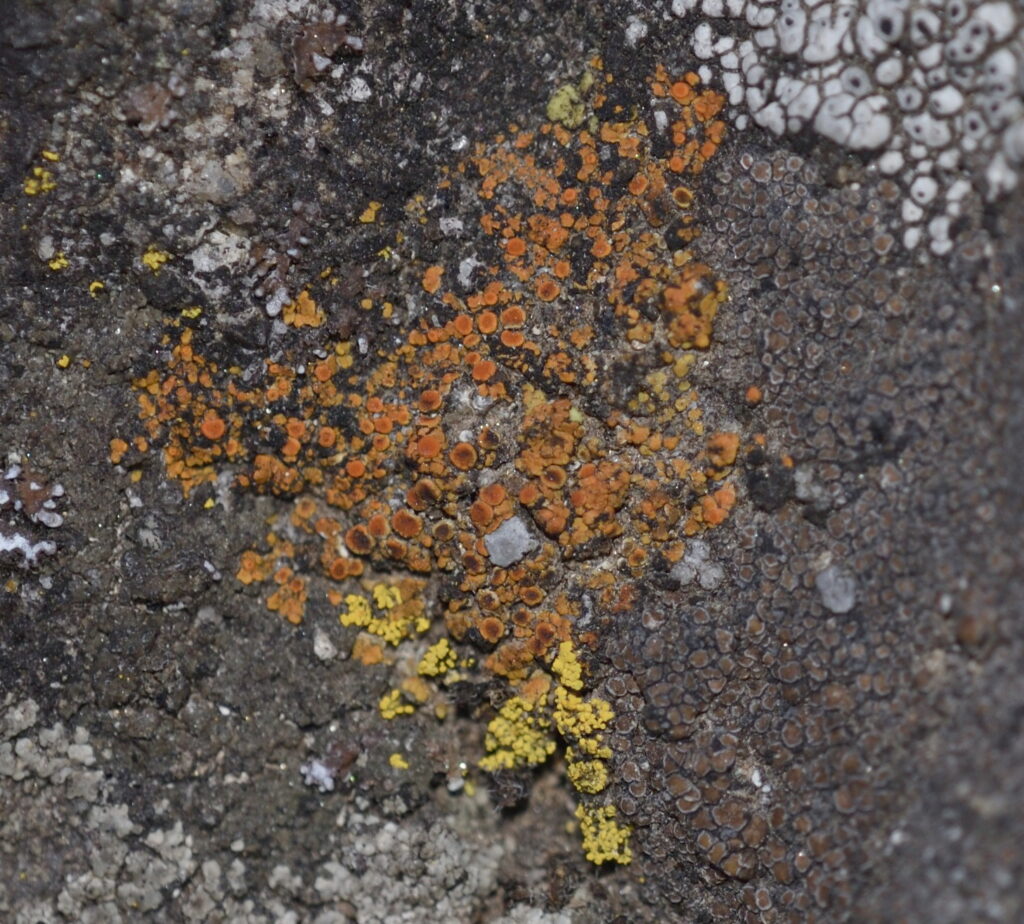
In forests of lichen, slow-stepping tardigrades amble, mites scurry, and barklice stroll…
Too florid? Yeah, probably. Anyway, that bit of prose was inspired by the following video of a lichen, taken with a microscope, which made me feel like I was looking down on some weird, alien forest:
It was also inspired by videos I’ve taken of the tiny bugs found there. Mites seem to be the most common. (See my previous blog post “Of Mites and Men… and Ticks“.)
Tardigrades, whose name means ‘slow-stepping’, are also found in lichen. If I ever get some good photos of a tardigrade, I’ll definitely be doing a post on these fascinating creatures.
Another bug I’ve seen poking around in lichen is an insect called a barklouse — a distant relative of the dreaded head lice.
Barklouse (order Psocoptera)
But this article is not so much about the creatures found in lichen as it is about the lichen itself. So what exactly is a lichen?
A Symbiotic Association1
The definition of symbiosis, according to Merriam-Webster:
1: the living together in more or less intimate association or close union of two dissimilar organisms (as in parasitism or commensalism) especially: MUTUALISM2
The word ‘symbiosis’ was actually invented to describe lichen. Most people, if they’ve thought about it at all, probably assume that lichen are plants. In fact, a lichen is a composite organism of a fungus and either an alga (plural algae) or a cyanobacteria. The same fungus may partner with different algae or cyanobacteria to form different lichens. It may even partner with both at the same time. Algae and cyanobacteria are photosynthesizing organisms. They use sunlight to produce nutrients in the form of carbohydrates, which they share with the fungus. The fungus, in turn, provides shelter. It also collects water from the environment and minerals from the air and rain. The fungal component of a lichen is called the mycobiont and the photosynthesizing component is called the photobiont or symbiont.
When scientists first figured out that lichens were composite organisms, many assumed the fungi were parasitic on the lichen. Others believed it was more of a mutualistic relationship in which both parties benefited. The consensus today favors mutualism. Although the algae or cyanobacteria are usually able to survive as free-living organisms, the lichen is able to grow in places where neither fungus nor symbiont would be able survive on their own.
Only recently, scientists have discovered that many lichens also contain yeast, which are a type of single-celled fungus. So, in this case, the lichen contains two completely different kinds of fungi. It’s not known for certain what a yeast adds to the mix, although there is some evidence that it may influence the form that the thalus takes.
On top of everything else, other, non-photosynthesizing types of bacteria may sometimes be present, but it’s not clear what function they serve.
In summary, a lichen is more of an ecosystem than an organism. But is this really so unusual? Our own bodies are teeming with bacteria, archaea, protists, viruses, and, yes, even fungi, many of which are essential to our good health.3 Viral DNA is even incorporated into our own DNA.4 More and more, biologists are coming to realize that plants and animals are not the self-contained organisms we long thought they were. Nevertheless, lichens are unique in many ways. Before we can really understand what a lichen is, though, we need to understand the component parts.
Fungi
I already covered fungi in a previous post. (See Zooming in on Fungi.) I’ll reproduce the relevant section here (with some minor changes):
Fungi is the plural of fungus. The fungi are a separate kingdom of life — like the animal kingdom or the plant kingdom. They include yeasts, molds, and mushrooms.
Actually, mushrooms are just the fruiting bodies (reproductive parts) of the associated fungi. The main body consists of very thin filaments called hyphae. These hyphae are hidden in the substrate — that is, in the soil or inside the wood or whatever — on which the mushroom is growing. Collectively, the hyphae form an extensive network called a mycelium.
Because fungi don’t move around like animals, most people assume they’re closely related to plants. In fact, geneticists have found that fungi are more closely related to animals! This makes sense when you consider that fungi don’t use photosynthesis to make their own food like most plants do. Like animals, they feed off detritus (rotting organic matter) or off other organisms. The difference is, instead of digesting food inside their bodies, fungi secrete digestive juices into the surrounding environment. Their food gets broken down by these secretions and the fungi absorb the resulting nutrients.
It’s long been known that fungi serve an important role in ecosystems as decomposers and recyclers, but in recent years, scientists have uncovered other roles that are nothing short of mind-blowing. It turns out that most plants form mutualistic relationships with certain types of fungi. These fungi, called mycorrhyzal fungi, grow around and often into the roots of their host plant. The fungal network acts as an extension of the plant’s root system, greatly increasing the plant’s ability to absorb water and minerals from the soil. In return, the plant supplies the fungus with carbohydrates, such as glucose and sucrose. If a plant is forced to grow without its usual fungal symbionts, it will be much smaller and less healthy, if it survives at all. Similarly, some mycorrhizal fungi will not survive unless a host plant is present.
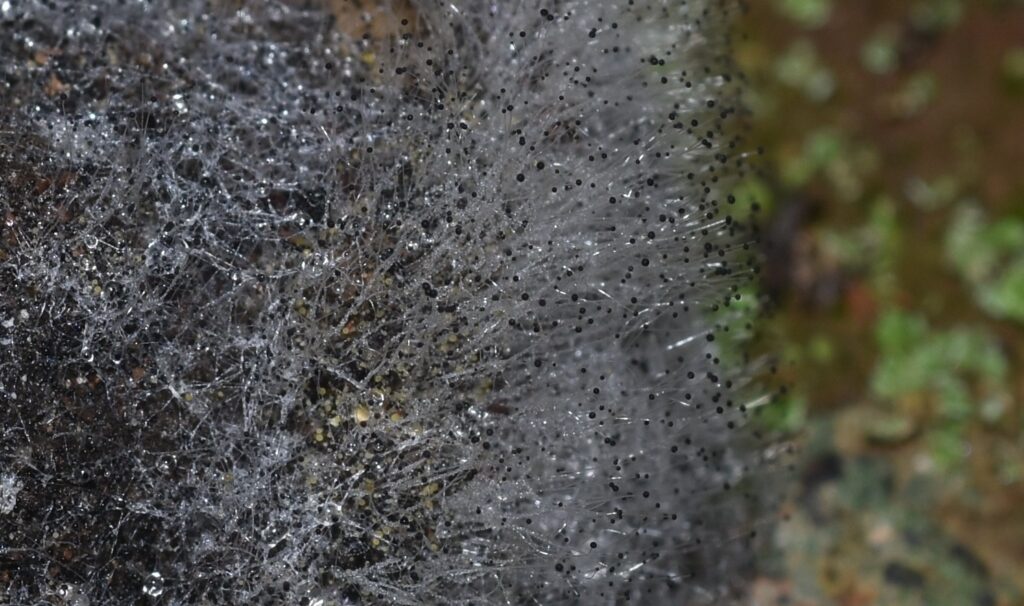
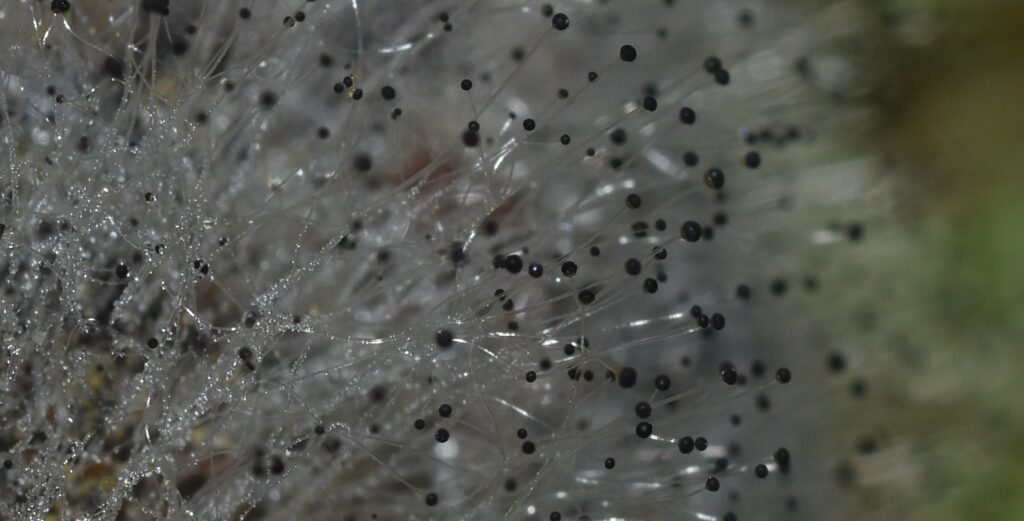
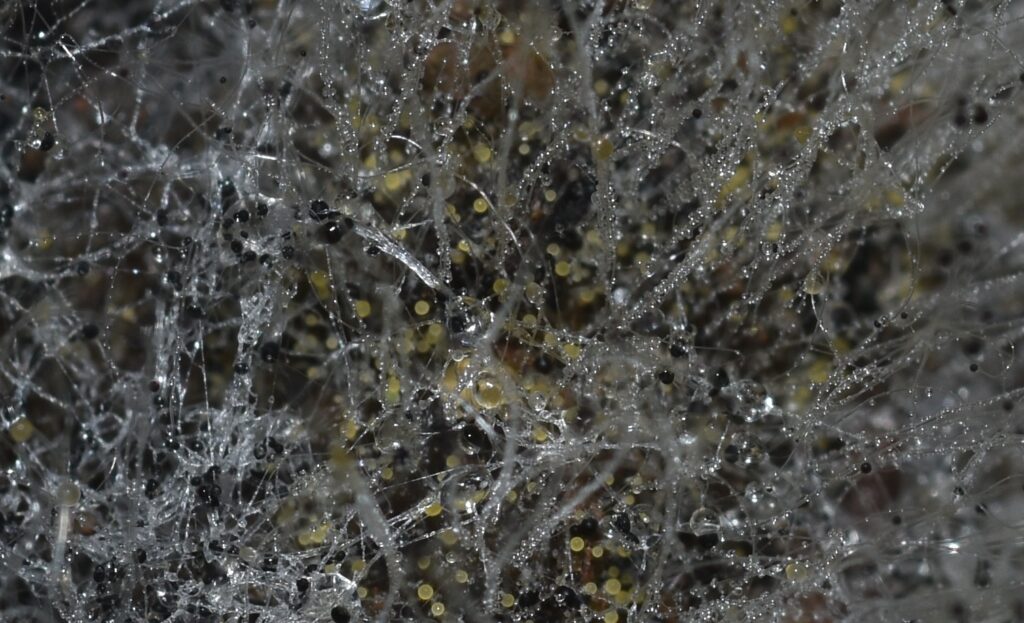
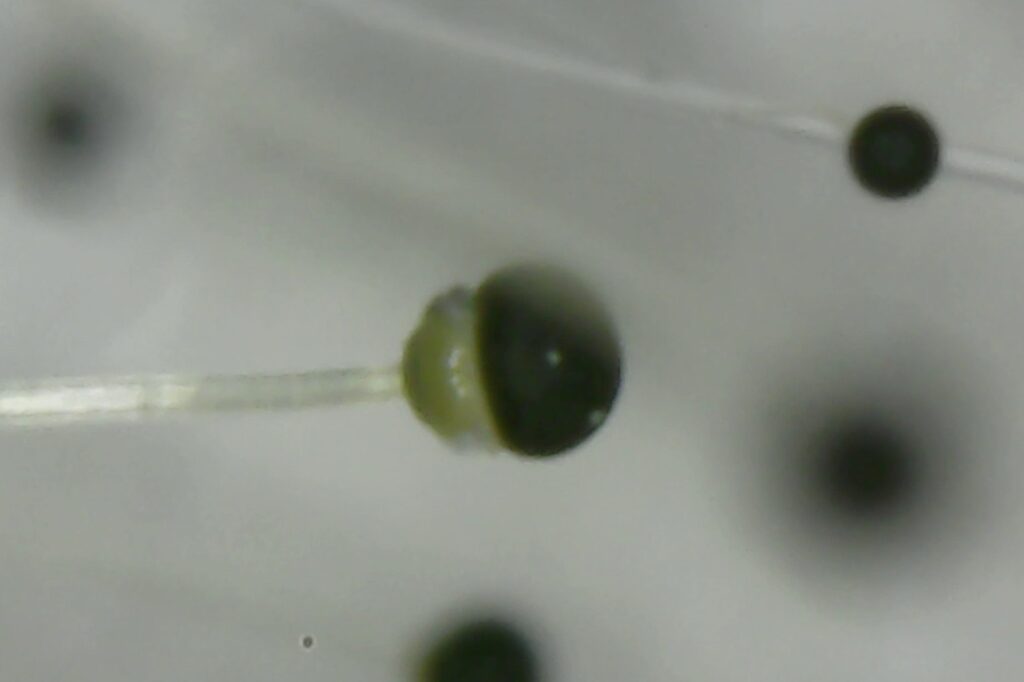
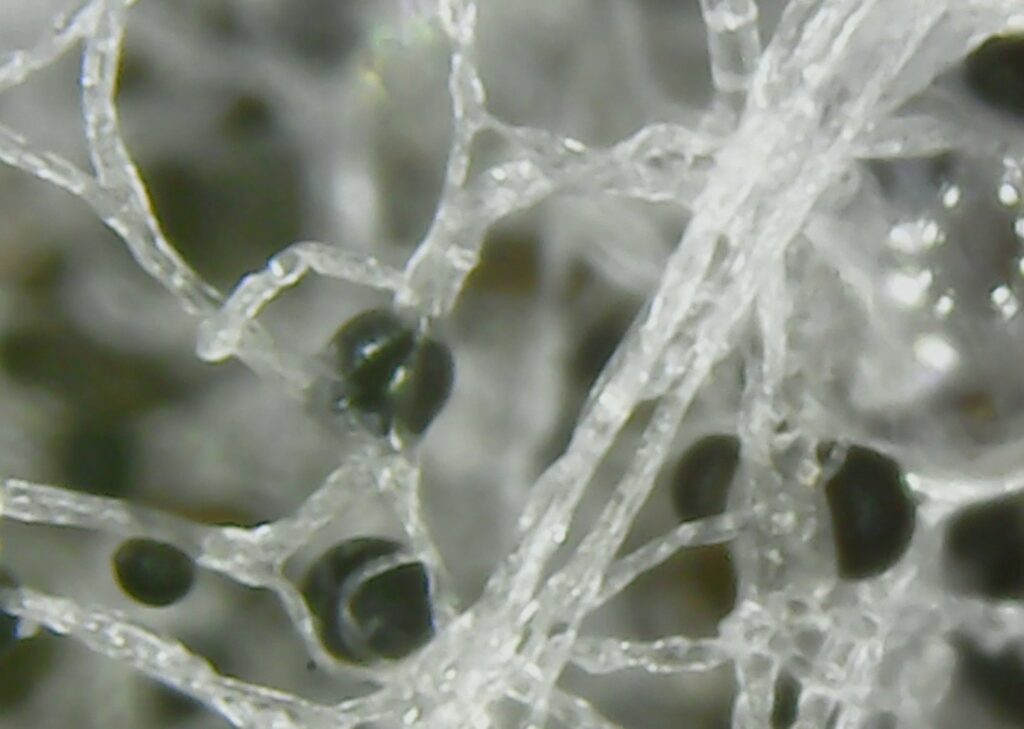
Since mold is a type of fungus, I’ll end this section with a few shots of moldy dog poop. (You’re welcome.)
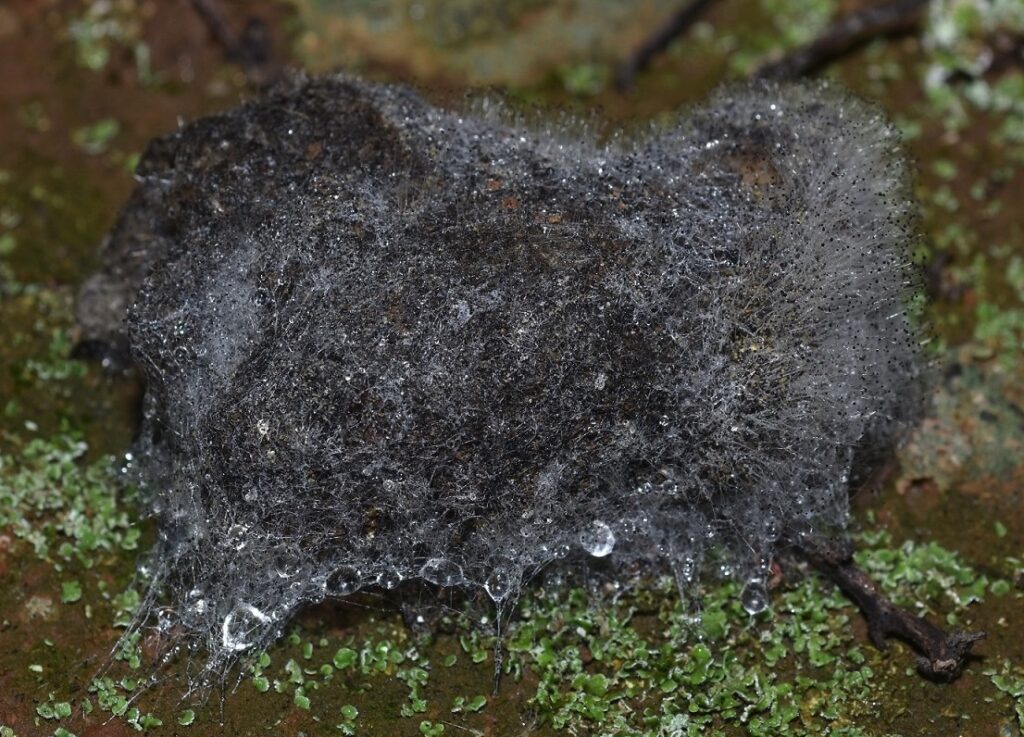
Mission Trails Regional Park, San Diego County 1/18/19
Chances are, when you think ‘algae’, you think ‘pond scum’. Zoom in close on some of that scum, and you’ll find that it’s made up of a tangle of green filaments. Here’s a couple of photos I took of some typical pond scum.
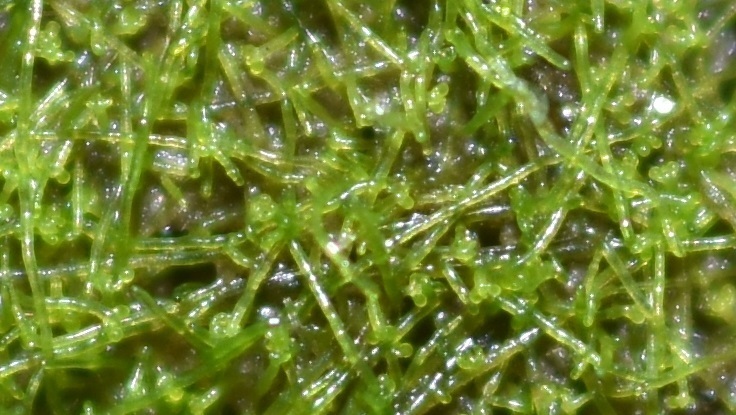
Mission Trails Regional Park, San Diego County 2/11/19
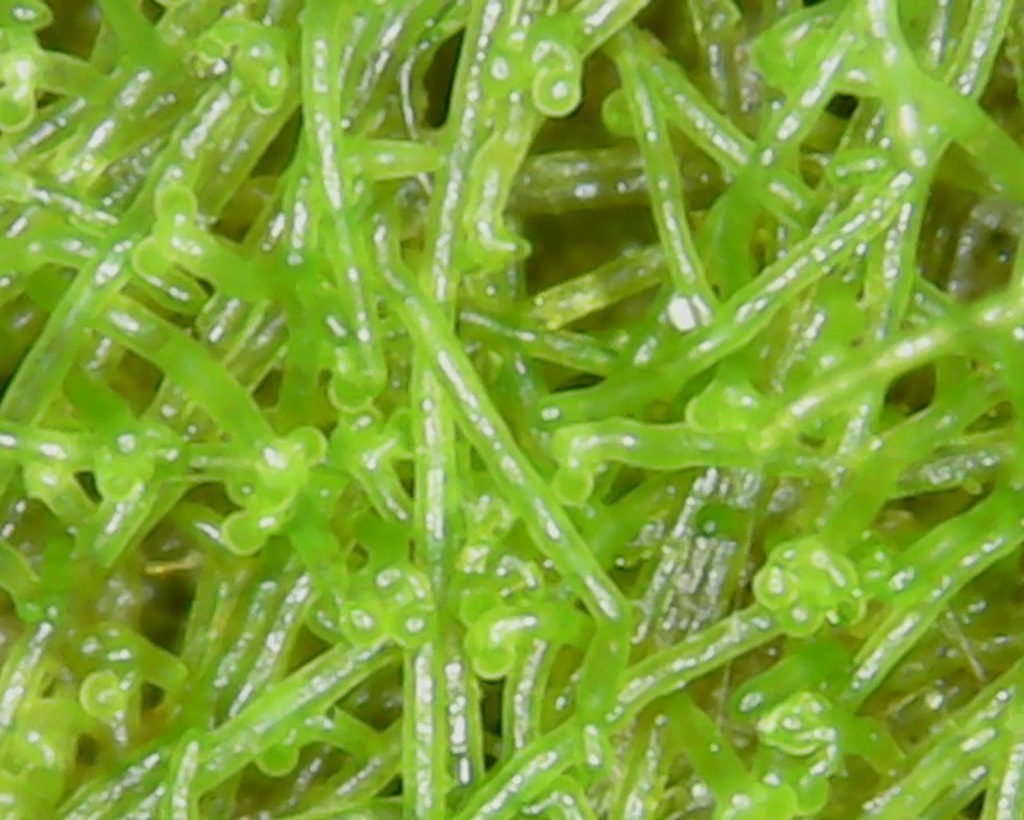
Algae is not limited to pond scum, however. It ranges from single-celled organisms like diatoms all the way up to huge seaweeds like giant kelp. If you’re lucky enough to have done any scuba diving off the coast of California, you may have had the unique experience of swimming through kelp forests.
Algae isn’t actually a scientific classification. It’s an informal term for a large number of different organisms. All algae do have two things in common, though: they are photosynthetic and they are eukaryotes. A eukaryote is an organism whose cells contain a nucleus. The nucleus contains most of the DNA for the organism.9 Eukaryotes include both single-celled and multicellular organisms. Amebae and paramecia are examples of single-celled eukaryotes. Fungi and humans are multicellular examples.10
The algae we call seaweed come in three varieties: red, brown, and green. The ones that link up with fungi to form lichens are almost all green algae. Green algae are further divided into two groups, Chlorophyta and Charophyta. Land plants are believed to have evolved from Charophyta. It’s the Chlorophyta, however, that’s found in lichens.
Since algae photosynthesize, you may be wondering if they are plants. The term ‘plant’ is also an informal term, so it depends on how you define it. By one definition, plants compose the clade11 Viridiplantae, which includes all land plants, plus the green algae, but not the red or brown algae.12
Cyanobacteria13
Bacteria are a type of prokaryote. Unlike eukaryotes, prokaryotes lack a well-defined nucleus. All prokaryotes are single-celled.
Cyanobacteria are a group of photosynthetic bacteria. Being photosynthetic, they can perform the same function in lichen as algae. Some types of cyanobacteria are also nitrogen-fixing.
All living things need a certain amount of nitrogen to survive. The atmosphere is about 78% nitrogen. Unfortunately, this nitrogen is in the form of two-atom molecules. That is, each atom of nitrogen is tightly bound to a second nitrogen atom. Plants and animals are unable to use nitrogen in this form. Fortunately, ammonia and other nitrogen compounds are usually present in soil — largely as a result of the decomposition of dead plants and animals — so many plants are able to get the nitrogen they need through their roots. Animals get it by eating plants or other animals.
Nitrogen-fixing bacteria have evolved the ability to convert the nitrogen in the atmosphere into more usable compounds, so they can get the nitrogen they need directly from the air. Some plants have formed symbiotic relationships with these bacteria in order to get the nitrogen they require. This allows them to grow in soil that would otherwise be too nitrogen-poor to support them.
Some lichen also contain nitrogen-fixing cyanobacteria. In some cases, the bacteria are the main photobiont, supplying the fungal component with both carbohydrates from photosynthesis and nitrogen compounds from nitrogen fixation. Some lichen contain both algae and cyanobacteria. In these cases, the algae are embedded within the body of the lichen and the cyanobacteria are found in nodules on the surface.
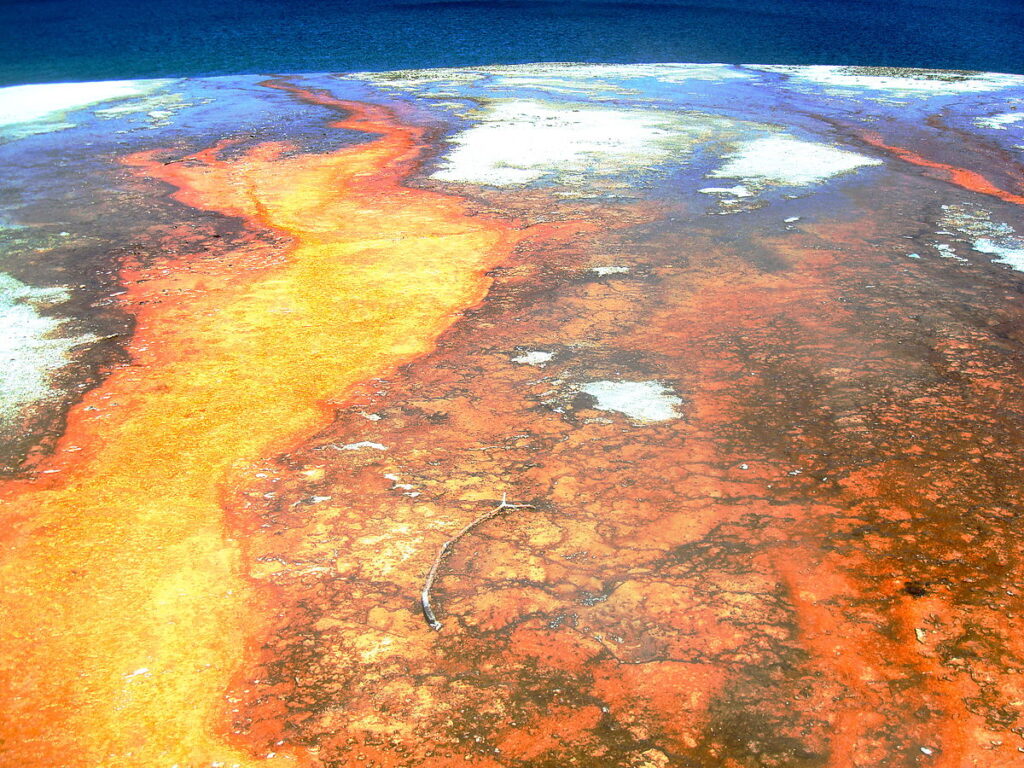
Author: Greg Tally – User: (WT-shared) WineCountryInn at wts wikivoyage
This file is licensed under the Creative Commons Attribution-Share Alike 3.0 Unported license.
Yeasts are single-celled fungi that evolved from multicellular ancestors. They reproduce asexually, often by budding — a process in which a small cell forms as an outgrowth of the mother cell and separates from it when it reaches maturity. In some species, strings of connected budding cells called false hyphae or pseudohyphae may form.
Yeasts do not form a single taxonomic group. In fact, there are yeasts in two different phyla of fungi, the Ascomycota and the Basidiomycota. The “true yeasts” are the budding yeasts and are found in the order Saccharomycetales (phylum Ascomycota).
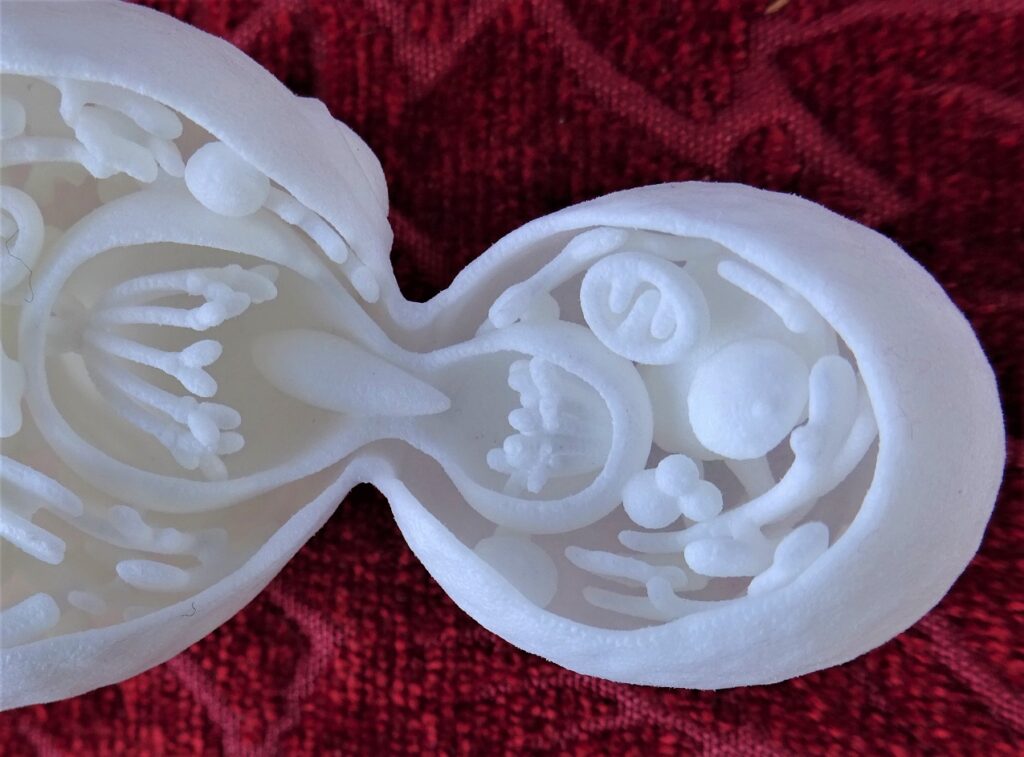
Author: Rosser1954
This file is licensed under the Creative Commons Attribution-Share Alike 4.0 International license.
Classifying Lichens16
The body of a lichen is called the thallus. Lichens can be loosely classified by the form taken by the thallus. There are three main forms: crustose, foliose, and fruticose.
Crustose lichens are crust-like. They adhere tightly to the surface (substrate). The following photo shows a yellow crustose lichen growing on rock:
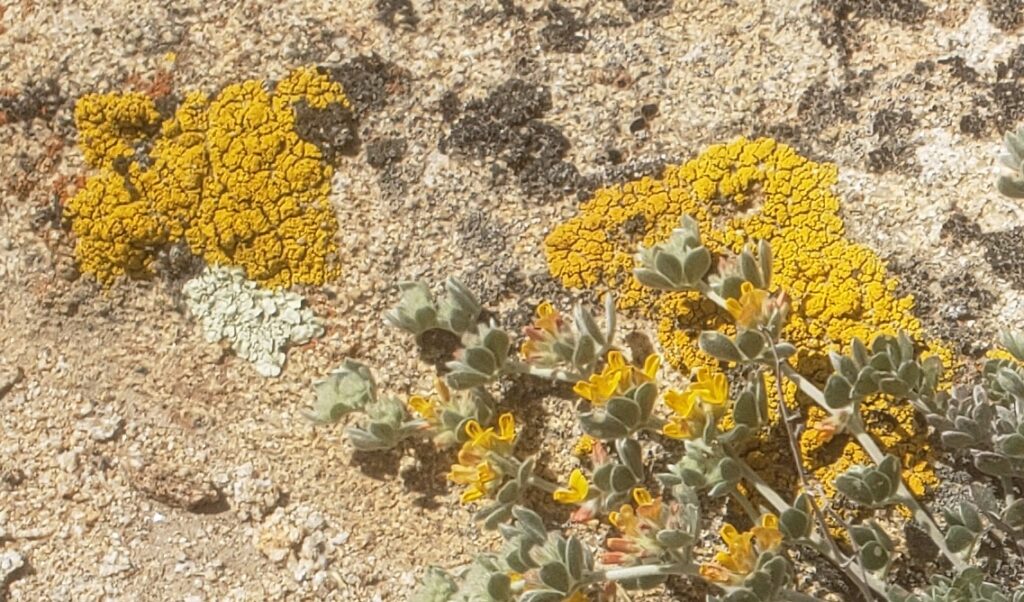
Table Mountain, Butte County, CA 4/7/19
Foliose lichens grow in flat, leaf-like lobes. Here’s a photo of a typical foliose lichen. The dark, cup-like structures in the center are the reproductive structures.

Tenaja Falls Trail, San Diego County 11/11/18
Fruticose lichens are more 3-dimensional. Some look like tiny shrubs. Others are more tuft-like. An excellent example is the wolf lichen in the following photo, which was growing on a log.
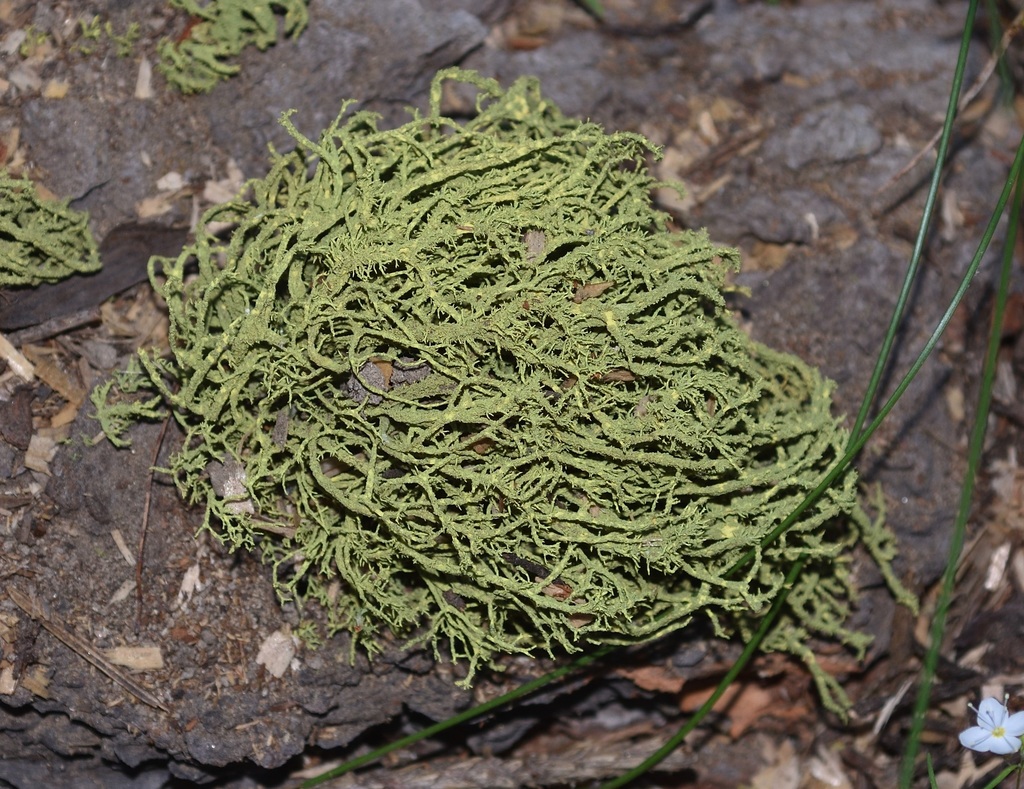
General Grant Grove, Kings Canyon National Park, Fresno, CA 7/27/19
There are several other terms that you’ll sometimes see. Squamulose lichens are crustose in the center, but foliose around the edges; leprose lichens are powdery; filamentous lichens are stringy; byssoid lichens are wispy; and gelatinous lichens are jelly-like. All these classifications should be taken with a grain of salt. Occasionally, a single species can exhibit more than one growth form. There are also plenty of gray areas — lichens that don’t fit neatly into any one category.
When it comes to taxonomy, lichens present a problem. How do you go about naming a composite organism whose component parts aren’t even in the same biological kingdom? Frankly, no one has come up with a very satisfying solution. Currently, a lichen just shares the genus and species names of its fungal component (which is usually thought of as the “main” component). You just have to use context to figure out whether an author is talking about the fungus or the lichen. Then there’s the additional problem that a single fungus may combine with more than one species of algae or cyanobacteria to form lichens that look totally different.
Lichens grow on a wide range of substrates, including no substrate at all. The latter, called vagrant lichens, blow freely about their environment, growing and photosynthesizing as they go. There are lichens that grow inside rock in the tiny spaces between crystals. Others grow in soil, forming part of the biological soil crusts found in arid areas. There are even lichens that grow inside plant tissue.
Lichens that grow on plants, such as on the bark of trees, are not parasites — they just use the plant as a substrate. Similarly, lichens that grow on rocks don’t get any of their nutrients from the rock. (They get them from the air and from rainwater.) Nevertheless, they often have a weathering affect on the stone, slowing turning it into soil. This a result both of the lichen physically disrupting the particles to which it’s attached and of chemicals produced by the lichen attacking the minerals in the rock.
The Structure of a Lichen20 21
As explained in the section on fungi, a fungus is made up almost entirely of very thin filaments call hyphae. Most of these hyphae are underground (in the case of a terrestrial fungus) or inside whatever other substrate the fungus is growing in. As such, most of a fungus is hidden from view. The parts you do see, such as mushrooms, are actually “sculpted” by weaving together thousands of these filaments. It’s remarkable to think that a seemingly well-defined structure like a mushroom is actually a mesh woven from thousands of hyphae.
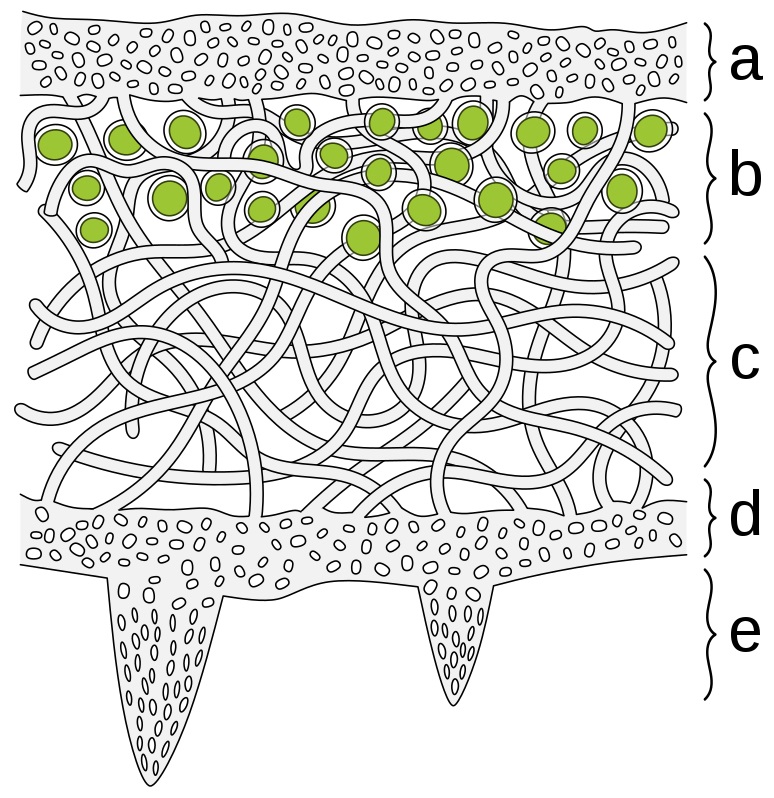
The thallus of a lichen is formed in a similar way from fungal hyphae. The other organisms in the lichen are woven into the mesh. Figure 1 shows a schematic of a typical foliose lichen.
Author: Nefronus
This file is licensed under the Creative Commons Attribution-Share Alike 4.0 International license.
The top layer (a in figure 1) is the cortex. This consists of tightly woven fungal hyphae glued together. The cortex forms a protective layer, keeping out invading organisms and reducing the intensity of sunlight on the other layers. If the lichen contains yeast, it will probably be in this layer.
Below the cortex is the photobiont or symbiont layer (b in the figure). This layer consists of more loosely packed hyphae with the algae or cyanobacteria embedded within. Sometimes special hyphae called haustoria will penetrate the algae to extract nutrients from them.
In many cases, the cortex will be more or less opaque when dry, but turns more transparent when it gets wet, so that sunlight can reach the algae or cyanobacteria embedded in the symbiont layer. In this way, the lichen shuts itself down when conditions are poor (no water) and starts to photosynthesize and grow again when conditions become more favorable.
Below the symbiont layer is the medulla (c). This layer consists of a mesh of hyphae that is less dense than the two layers above it. In foliose lichens, there is usually another layer of densely packed hyphae below the medulla called the lower cortex (d). Finally, most foliose lichen will have root-like structures called rhizines anchoring them to the substrate (e).
This basic structure varies somewhat in other types of lichen. Crustose lichens lack a lower cortex. Instead, the medulla is in direct contact with the substrate and bonds tightly to it, which means rhizines are also unnecessary. Fruticose lichens have a single cortex that wraps entirely around the “branches” and “stems” of the lichen. The medulla may be hollow or it may form a white, cottony inner core.
Gelatinous, leprose, and byssoid lichens usually have a much simpler structure with no cortex. They consist of undifferentiated tissue with the photobiont embedded throughout.
Reproduction22
Many lichens reproduce asexually. This can be as easy as a piece of the lichen breaking off and growing as a separate organism. Many lichens break up into fragments when they dry up and the fragments are dispersed by wind to new locations. Some lichens are slightly more formal about it. They produce diaspores — small clumps of fungal hyphae surrounding a few algal cells. Sometimes such clumps form in special structures called soralia, in which case they are called soredia, instead of diaspores. Both diaspores and soredia are wind-dispersed. Still other lichens produce long spiny outgrowths that break off and are dispersed mechanically.
Many lichens are also able to reproduce sexually, although it’s only the fungal component that does so. Often these fungi will reproduce in a similar way to free-living fungi, releasing spores formed by the fusion of gametes from two different fungi. These spores are dispersed in the usual ways, but will not form new lichens unless they encounter an algal or cyanobacterial partner of a compatible type.
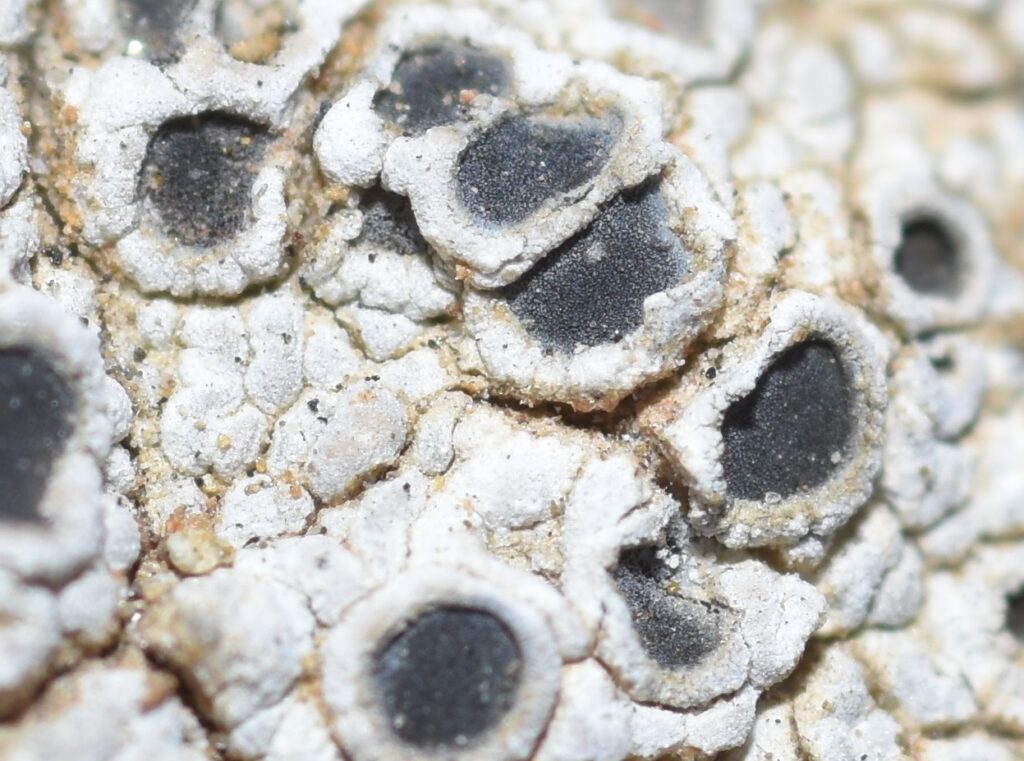
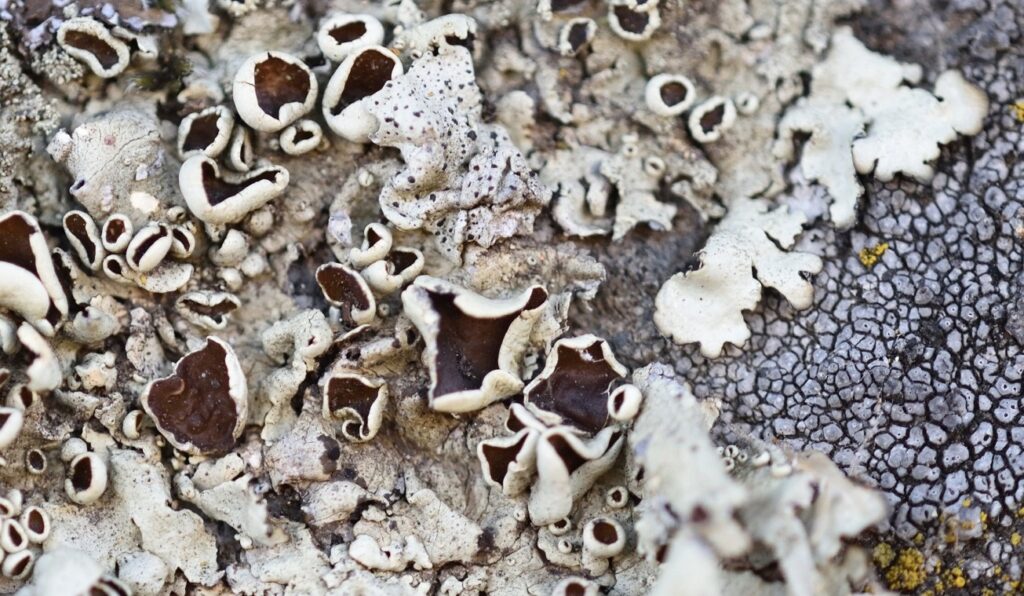
Most of the fungi that form lichens are in the phylum Ascomycota. These are commonly known as sac fungi or ascomycetes and the lichens they form are sometimes called ascolichens. In these types of lichen, the spores are produced in structures call ascomata or ascocarps. Ascocarps can take a variety of forms. Often they look like cups. Here’s a closeup of a photo we saw earlier of a foliose lichen. The dark, cup-like structures are the ascocarps.

Here’s a couple of photos of a crustose lichen with ascocarps:
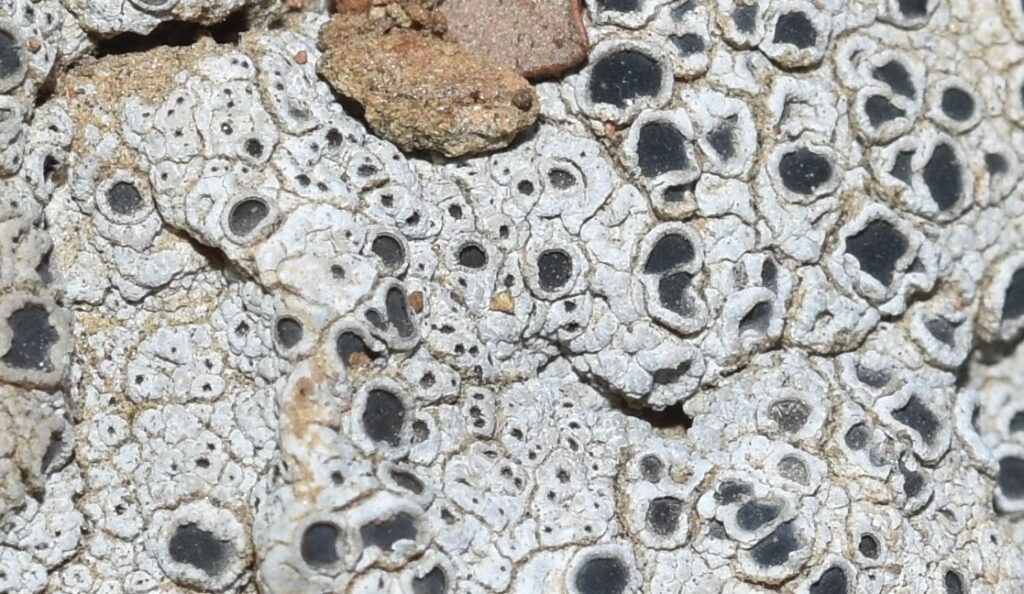
Tenaja Falls Trail, San Diego County 11/11/18
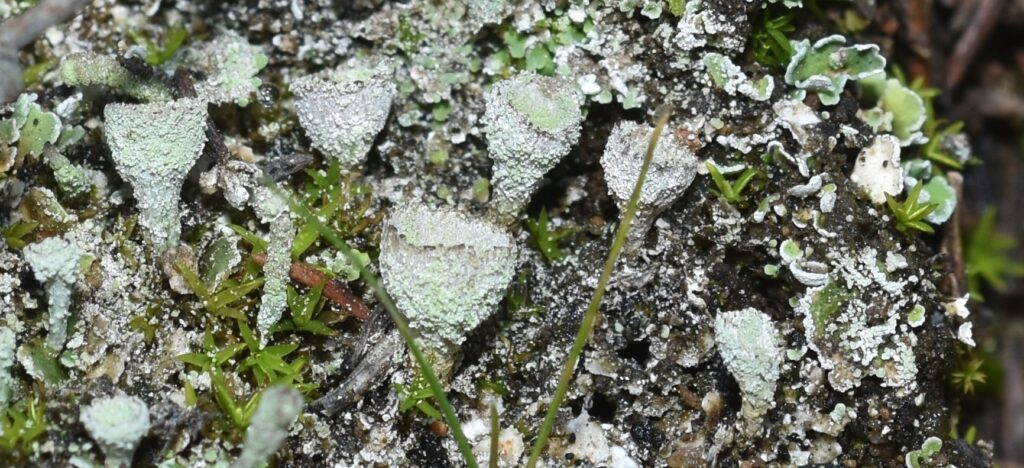
Some lichens produce a stalk-like structure called a podetium. These include some of the most beautiful lichens in my opinion, often forming miniature “forests” that you don’t need a microscope to appreciate:


The most important use for lichens is probably the use of fruticose lichens by model railroaders to represent trees in their miniature landscapes. I’m kidding — that’s not really their most important use. Nevertheless, it is true that just about every article I’ve read about lichens mentions it.
A somewhat more important use, commercially at least, is for dyes. These are made from unique phenolic compounds called lichen acids that are produced by no other type of organism. Even the separate fungal and algal components don’t produce them. They can only make them by working together. These dyes were routinely used on wool and cotton in Medieval Europe. To make the dyes permanent, they were dissolved in human urine. The yarn would be submerged in the resulting mixture and ammonia salts in the urine would act as mordants to fix the color. Lichen dyes have mostly been replaced by cheaper dyes made from coal tar, but some are still in use. For instance, a brownish dye made from a foliose lichen is used on hand-woven Harris tweeds from Scotland. (Hopefully, they’ve found a substitute for urine.)
Lichen dyes also find uses in laboratories. The dyes used in litmus paper are extracted from various lichens such as Roccella tinctoria. This lichen is also the source of orcein, a purple-red chromosomal stain used in microbiology labs.
Lichens are eaten in many different cultures. Iceland moss (actually a lichen) used to be eaten in northern Europe, where it was used in bread, pudding, soup, porridge, and salads. In northern North America and Siberia, the native peoples still eat partially digested reindeer lichen, which they remove from the rumen of killed caribou. Rock tripe, the common name for a number of different lichen species, has long served as an emergency food in North America and one species is used in a number of traditional Korean and Japanese dishes.
I should note that not all lichens are safe to eat and even the ones that are usually need to be processed to remove various indigestible and mildly toxic compounds. Seriously poisonous lichens are usually yellow, but there are exceptions.25
Non-Human Uses
The main non-human use for lichen is probably as food. Lots of animals eat them — snails, squirrels, voles, and snub-nosed monkeys, to name a few. Reindeer (aka caribou) make it through the harsh tundra winters by grazing on lichen.26
Some hummingbirds use spider silk and lichen as nesting materials.27 Here’s a photo of a nest that appears to be covered in lichen. I don’t know if it’s used throughout the nest:
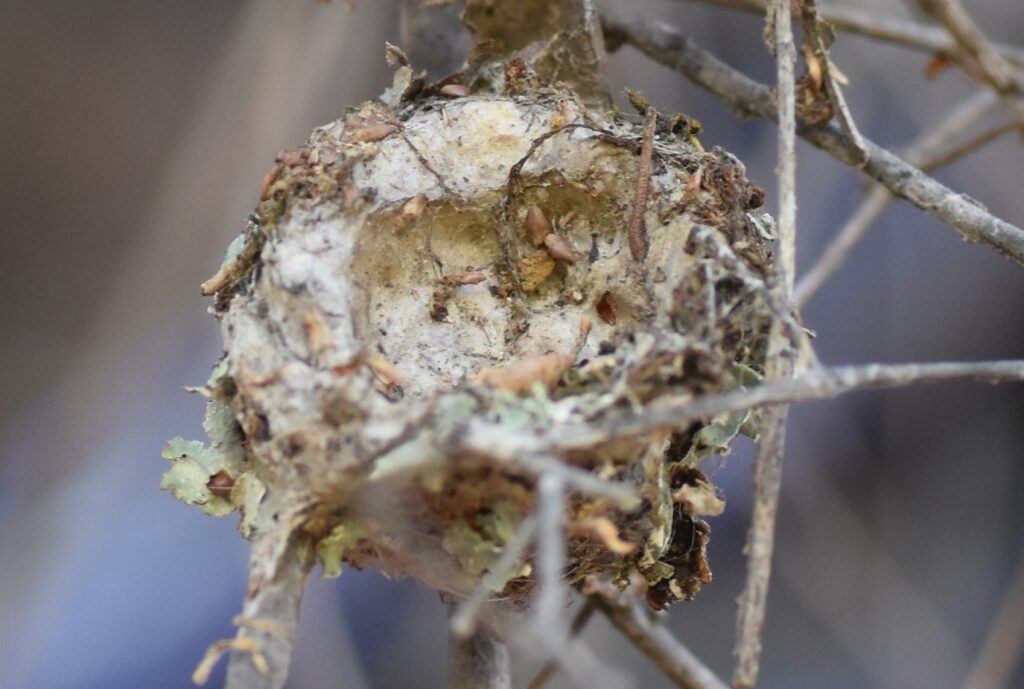
San Diego County 11/14/18
Lichens in Prehistory28 29 30 31 32
Lichens, unfortunately, tend to be most common in the types of environment where they are unlikely to be fossilized. As a result, their fossil record is very poor. The earliest confirmed fossil of a lichen is from the early Devonian about 400 million years ago (mya). A few other, much younger, fossils have been found from the Mesozoic and Cenozoic — the “Age of Reptiles” and “Age of Mammals”, repectively.33 34
There are a few other fossils that various scientists have suggested might be of lichens. Prototaxites is a genus of fungi that lived on land from around 470 to 360 mya. These fungi formed tree-like structures up to 8 metres or 26 ft in height. Microscopic examination of their fossils reveals that they consisted of narrow, interwoven, tube-like structures, suggestive of hyphae. So it’s been suggested that they were the fruiting bodies of a fungus. However, a study published in 2014 showed the presence in the fossils of what was likely an algal symbiont, which would have made Prototaxites a lichen, albeit an extraordinarily large one.
The Ediacaran Period is the geological period immediately preceding the Cambrian Period (of Cambrian Explosion fame). It extends from 635 to 541 mya.35 The fossils from this time period are not well understood. Most scientists believe they represent some sort of marine organisms, but one researcher has suggested that they were land-dwelling lichens or something similar to a lichen. The evidence for this is not strong, however, and the hypothesis is not widely accepted.
Land plants are generally believed to have evolved from green algae. As mentioned earlier, many fungi form symbiotic relationships with plants. In fact, it’s been estimated that at least 90% of plants are dependent on these fungal relationships. Not much is known for certain about the colonization of land by plants. What is certain is that the first land plants would have faced a very harsh, unforgiving environment. As we’ve seen, lichens are experts at surviving in harsh environments. For a long time, it was believed that lichen may have helped to pave the way for plant colonization. However, a 2019 study showed that lichens probably did not invade the land until some 100 million years after the evolution of vascular plants.
Inside-out Lichens?36
In 1988, Peter Atsatt of the University of California, Irvine published an article in “Ecology” entitled “Are Vascular Plants Inside-Out Lichens?” In this article, Dr. Atsatt discusses the possibility that vascular plants did not evolve from green algae alone, but instead, from a composite of an algae and a fungus. Instead of being composed of a dominant fungus containing an algae, this composite would have had a dominant algal component containing a fungus — the reverse of your typical lichen (and thus, “inside-out”).
Dr. Atsatt supports his hypothesis by listing a variety of cells and tissues found in vascular plants that resemble fungal hyphae. Also, many parasitic flowering plants such as Cuscuta (see Diving Deep Into Dodder) act like mycorrhizal fungi, penetrating their host plants with haustoria that are very similar to fungal hyphae. There are even flowering plants such as Pilostyles thurberi that live completely within the tissues of their hosts. These parasites permeate their hosts with filaments reminiscent of fungal hyphae.
As far as I can tell, Dr. Atsatt’s hypothesis is still just that — a hypothesis. But the evolution of vascular plants is so poorly understood that I don’t think such an origin can be ruled out. In any case, it’s a fascinating possibility.
I’ll close out this article with some random photos (and one video) of various lichens:
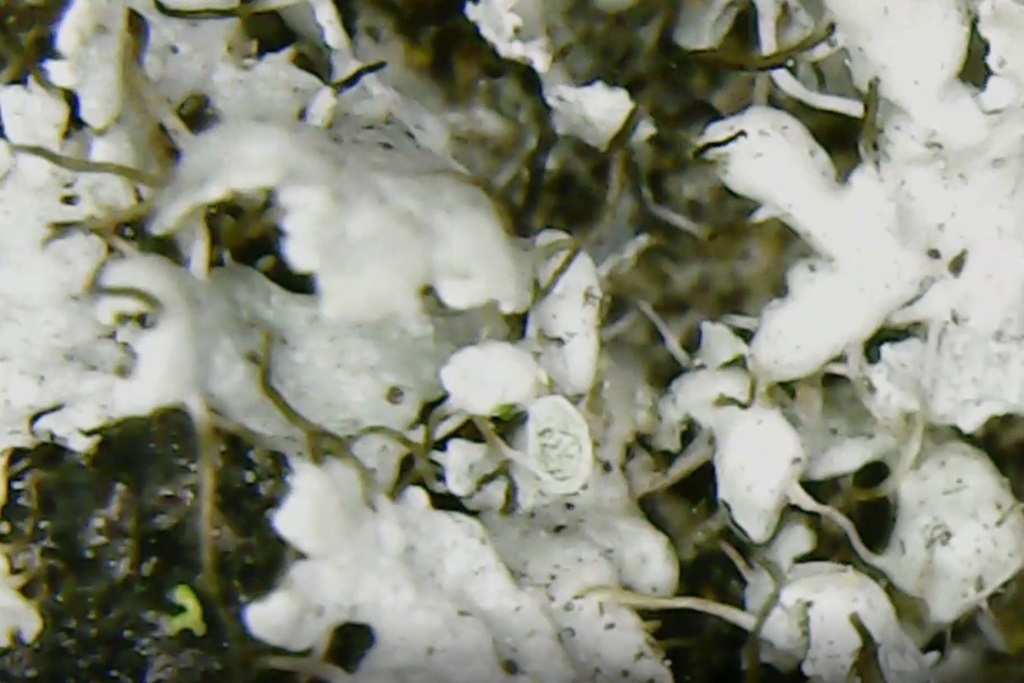
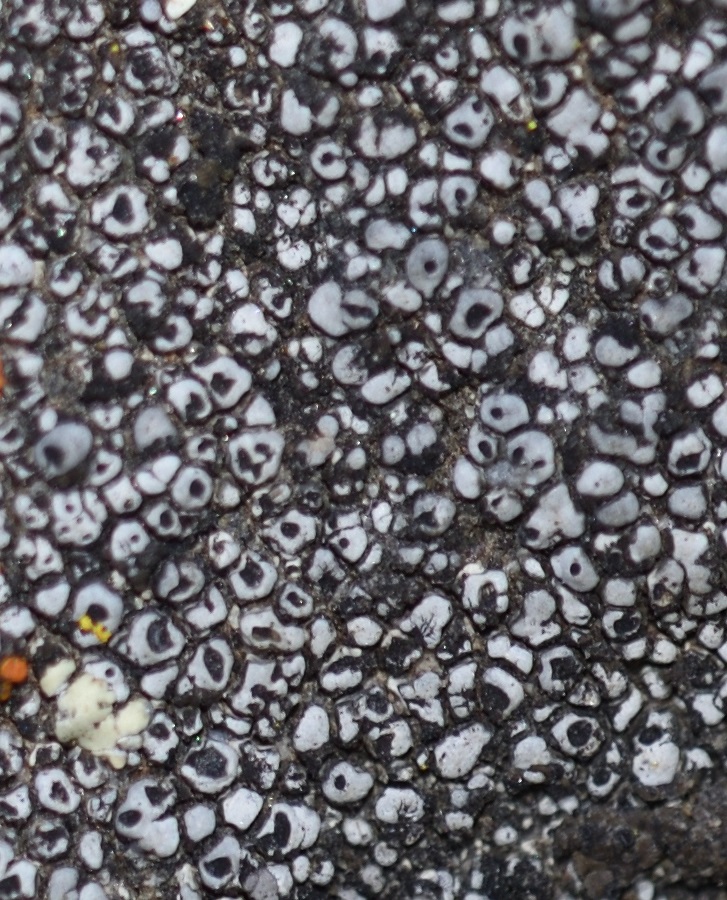
Santa Ysabel Preserve, San Diego County 10/10/20
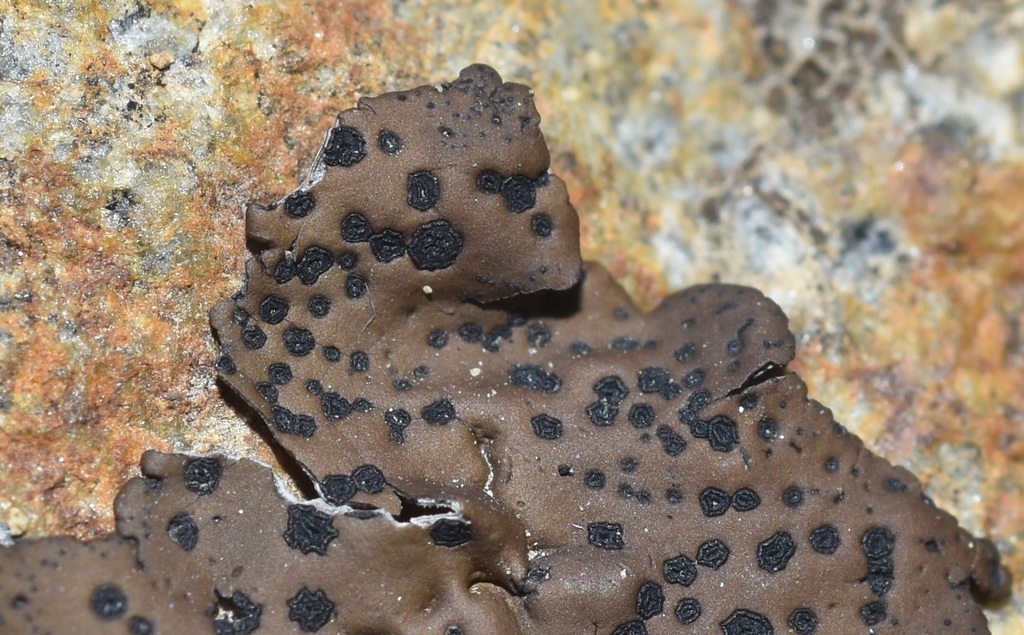
Wildhorse Canyon, San Diego County 11/11/18
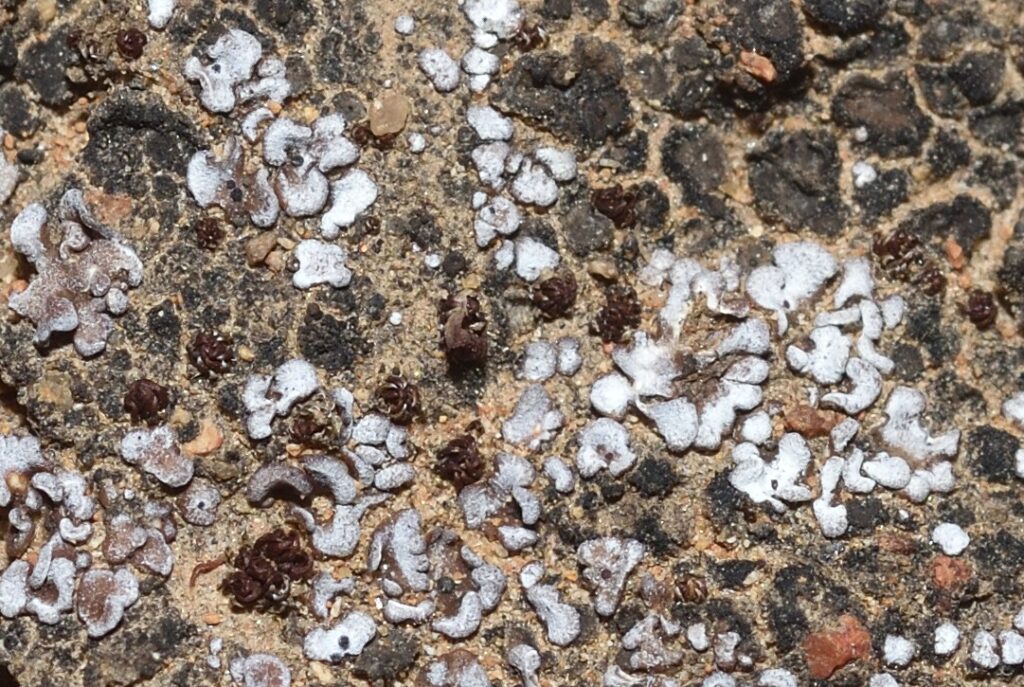
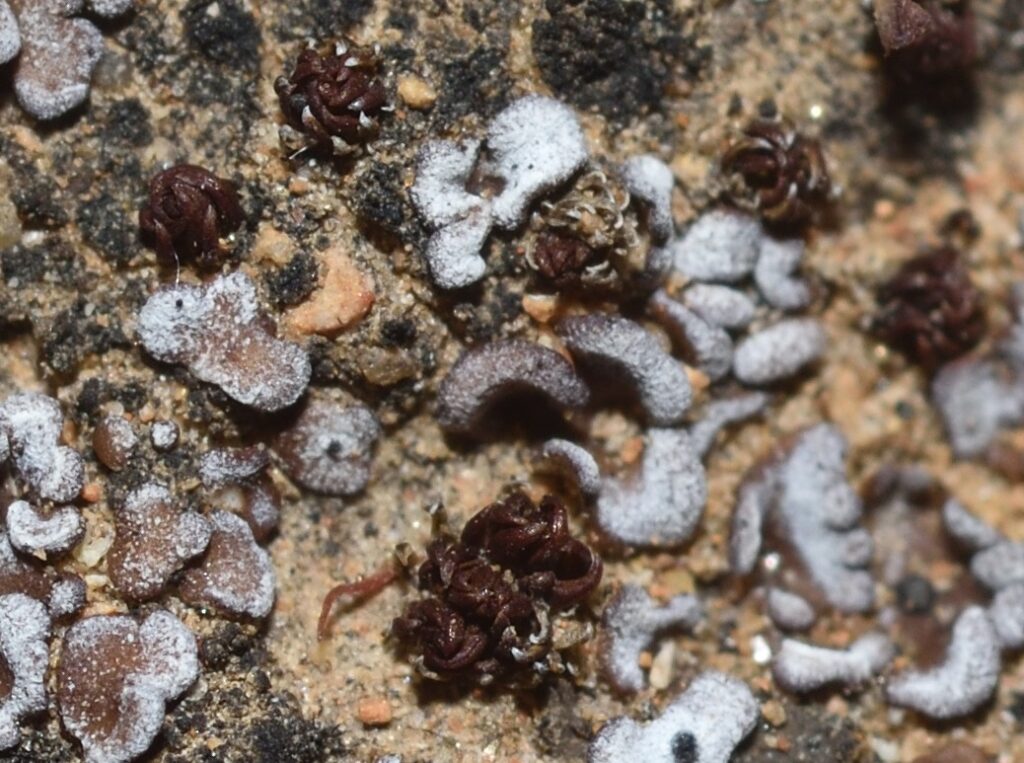
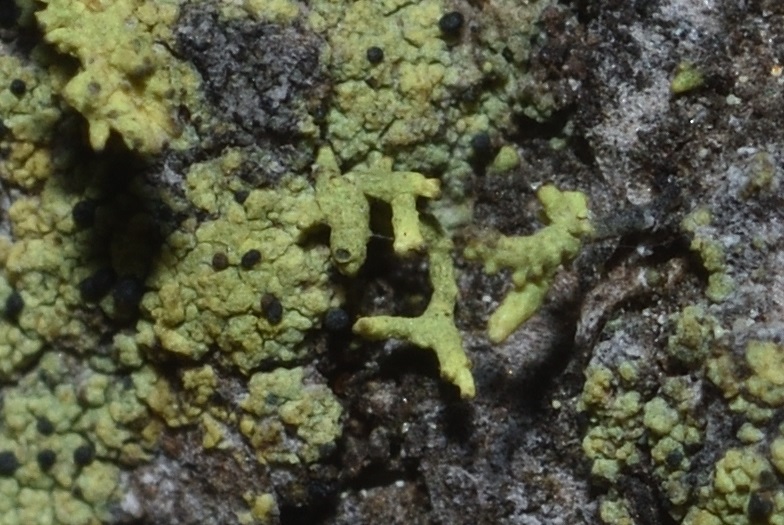
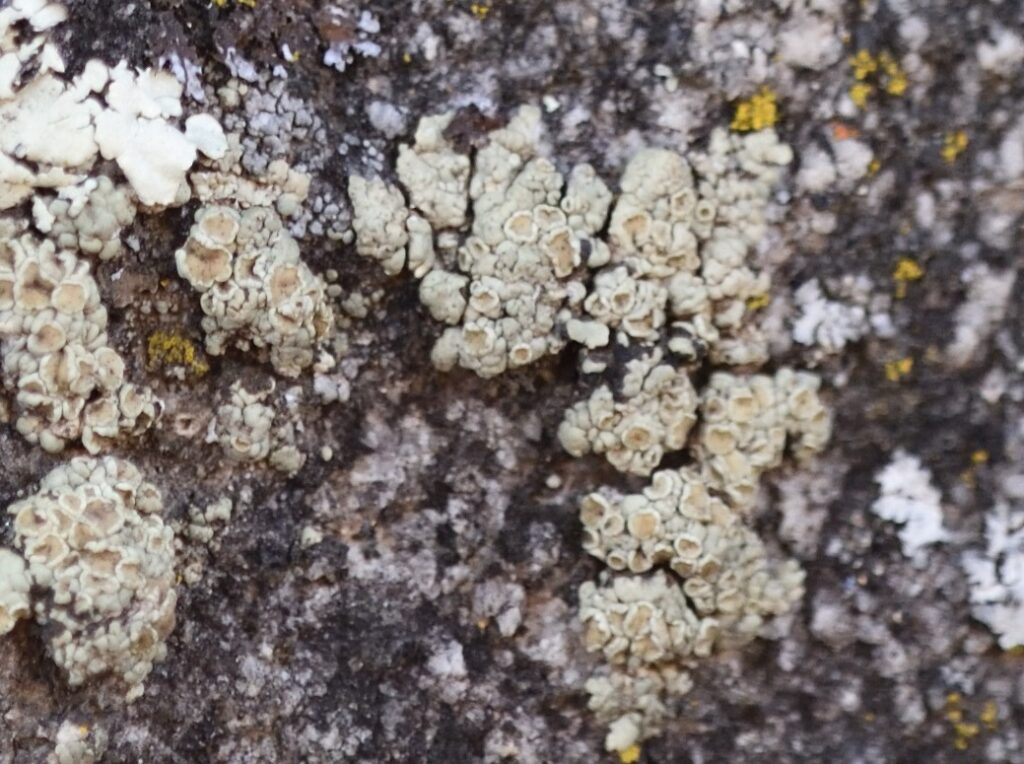
Santa Ysabel Preserve, San Diego County 10/10/20
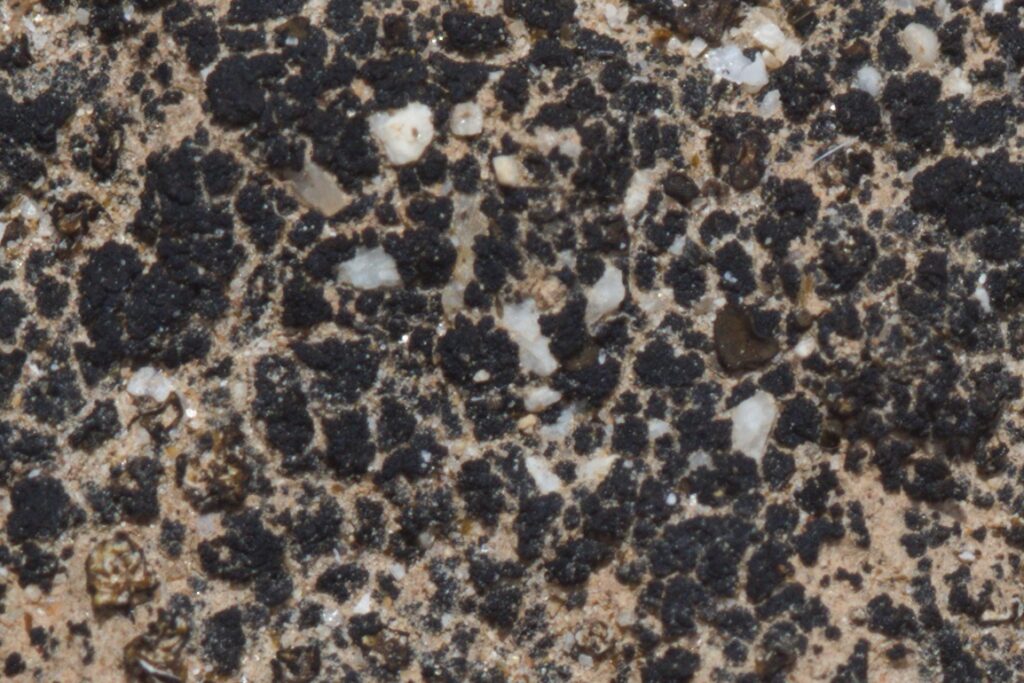
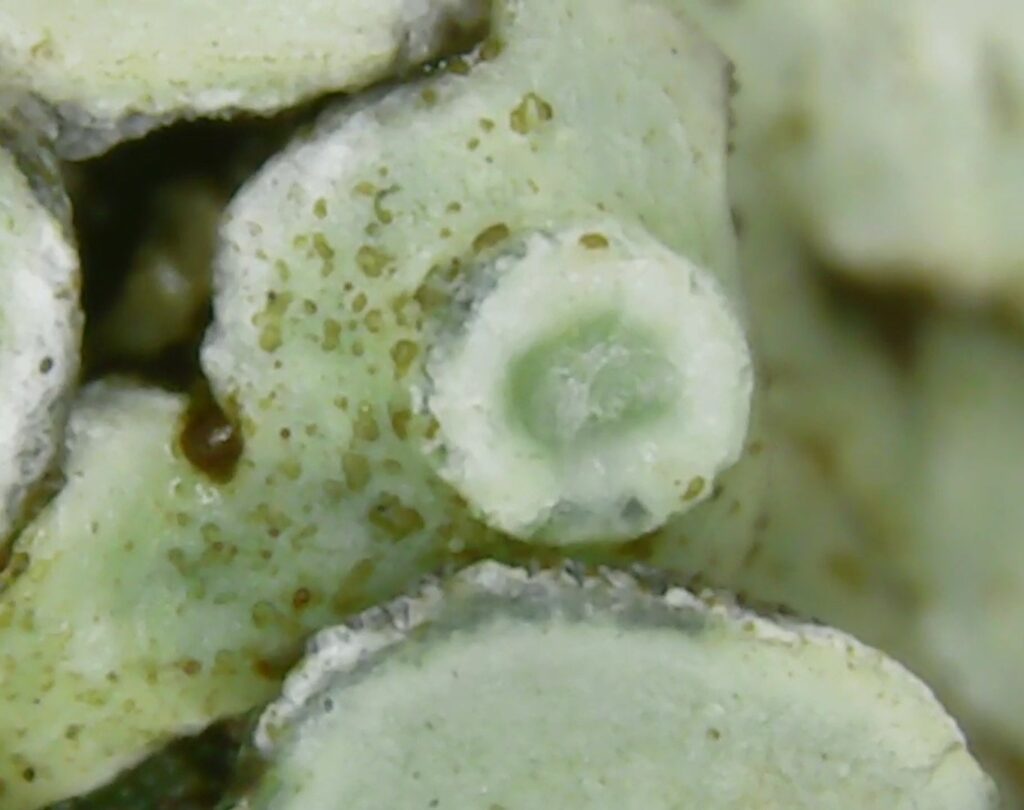
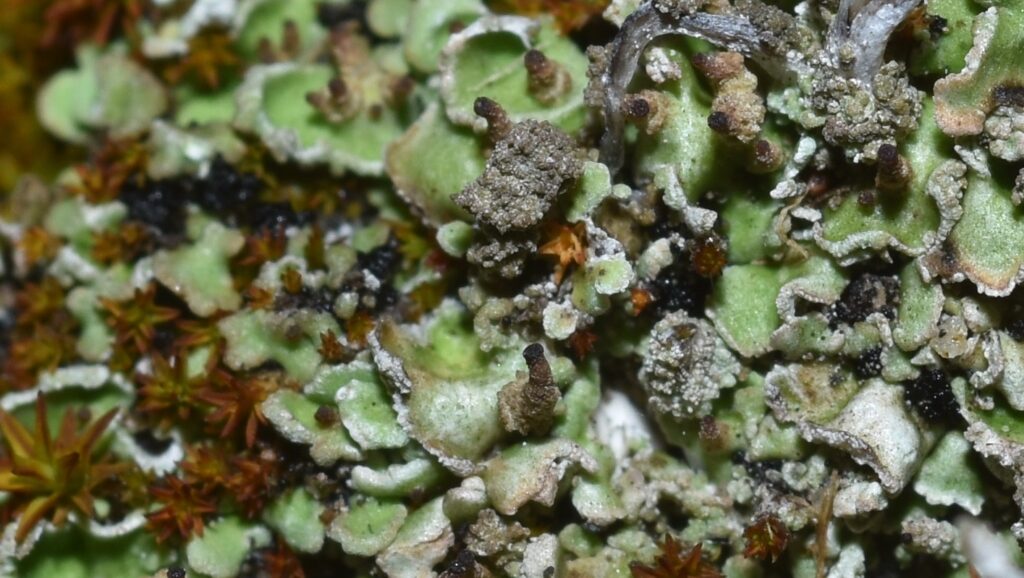
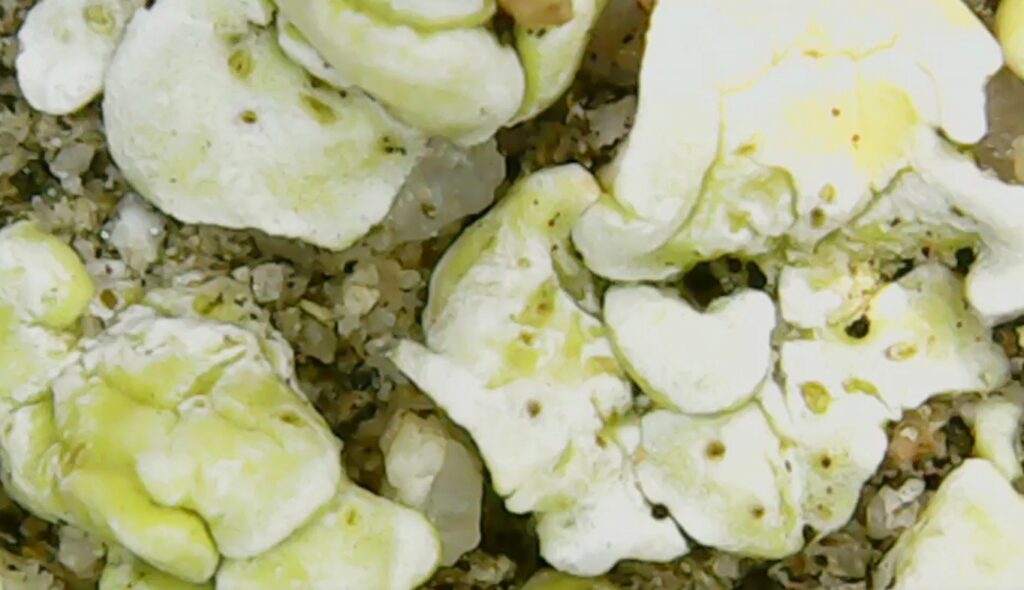
Lichen on Table Mountain in Butte County, CA 4/7/19
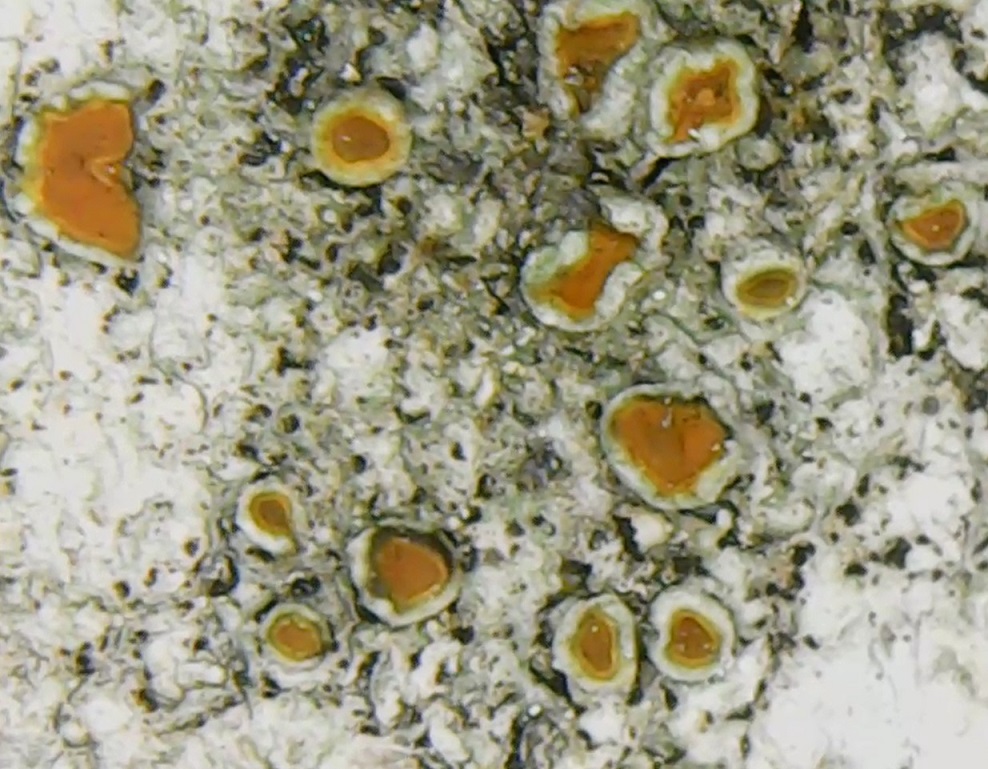
Tenaja Falls Trail, San Diego County 11/11/18
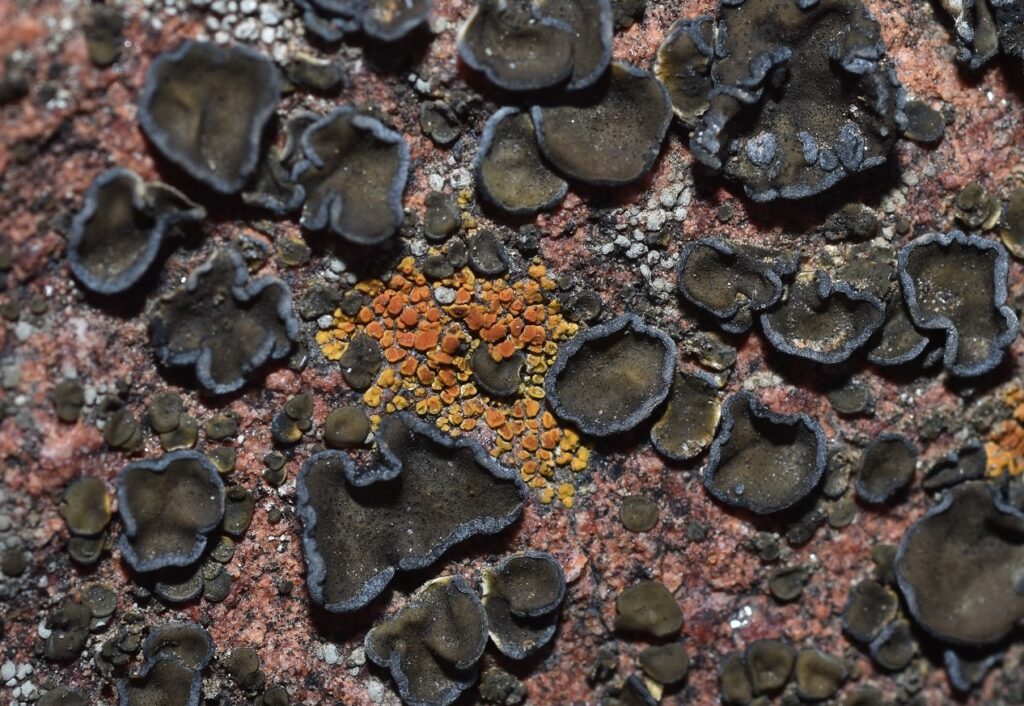
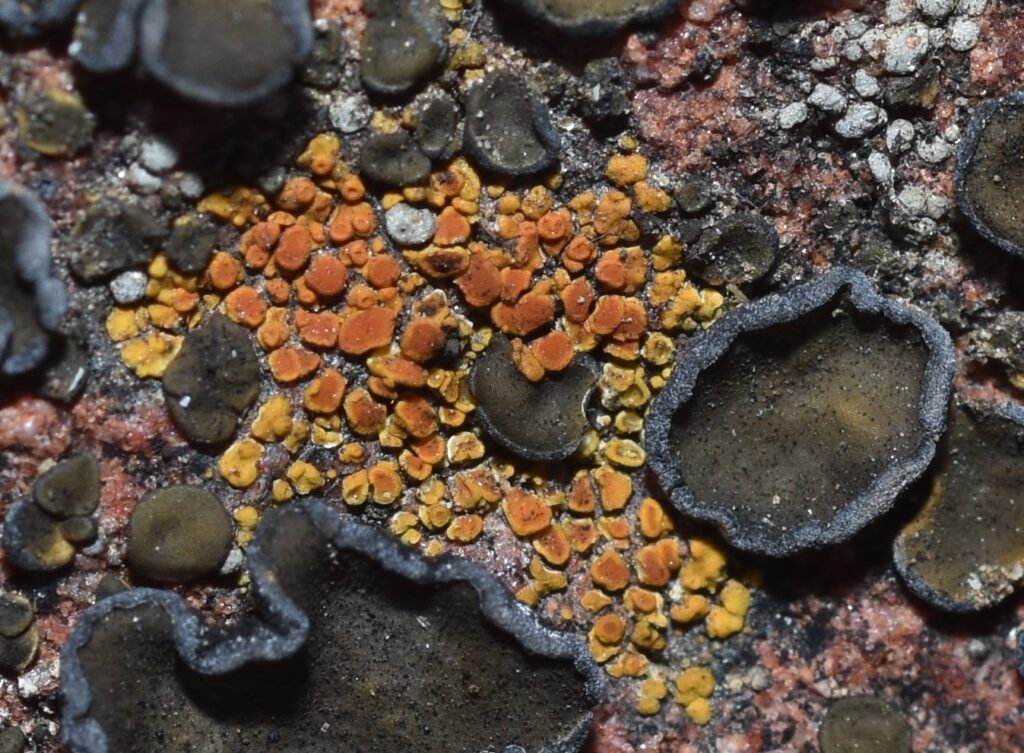
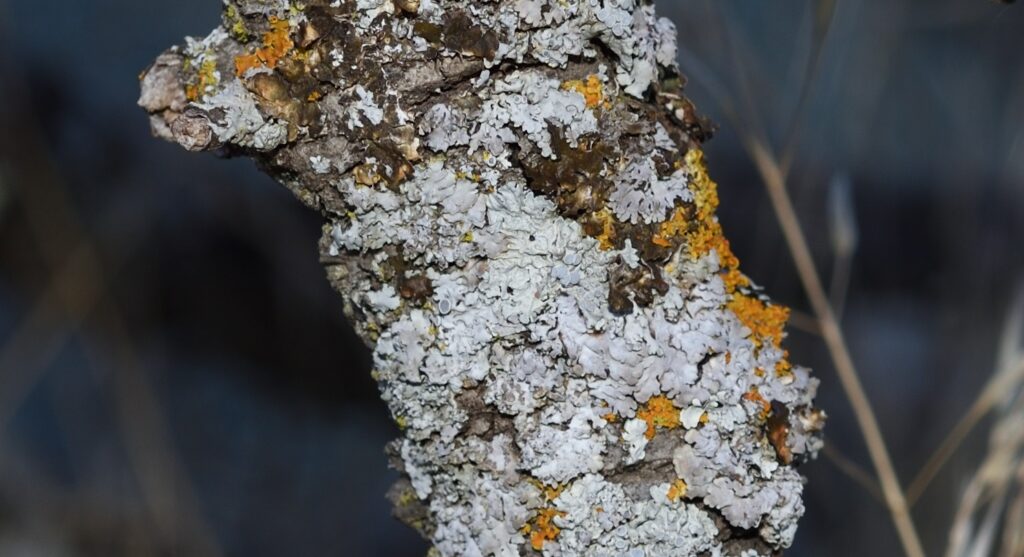
Santa Ysabel Preserve, San Diego County 10/10/20
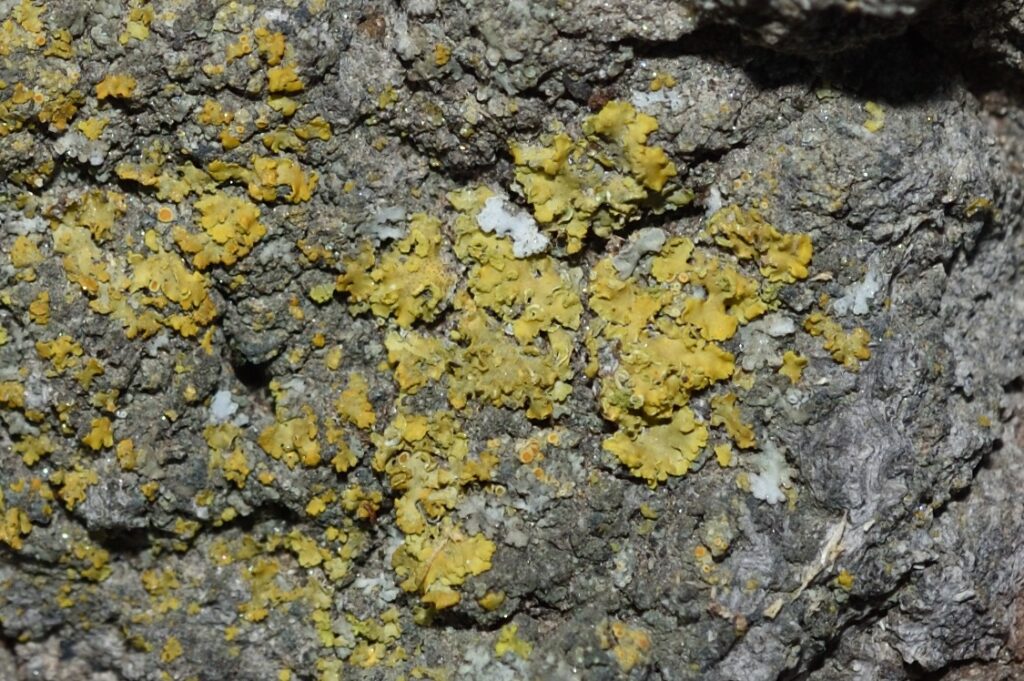
Santa Ysabel Preserve, San Diego County 10/10/20
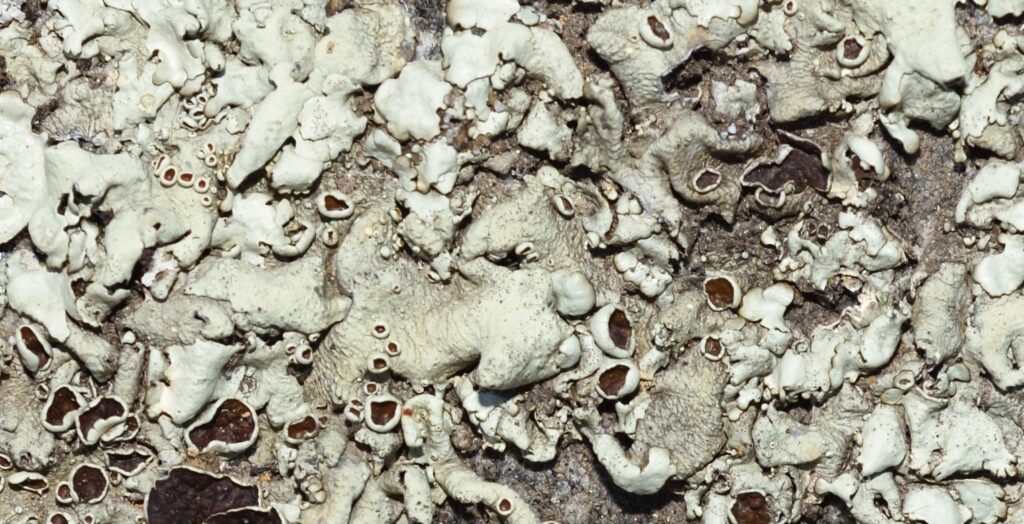
Santa Ysabel Preserve, San Diego County 10/10/20
Santa Ysabel Preserve, San Diego County 10/10/20