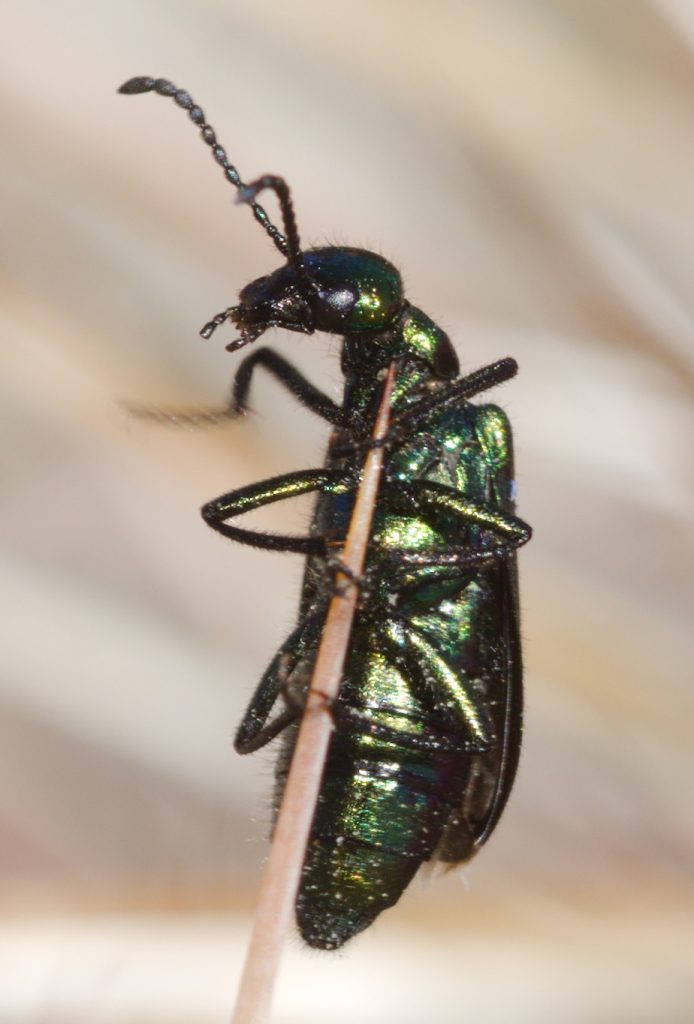
Many insects secrete chemicals that make them bad-tasting or poisonous. Beetles in the family Meloidae have taken it to the next level. Many members of this family secrete a chemical called cantharidin, which is a blistering agent. Just handling a blister beetle can result in severe chemical burns!
That, alone, is pretty amazing, but it doesn’t stop there. Cantharidin is the active ingredient in the aphrodisiac Spanish Fly, which is rather unusual in that it actually is an aphrodisiac — it can cause prolonged erections. Unfortunately, in too large a dose, it’s also a poison. So there are pros and cons. Cantharidin, unsurprisingly, is not approved by the US Food and Drug Administration.
Oh, and it’s also used to remove warts.
Only the male beetle actually secretes cantharidin; however, he gives some to the female as a copulatory gift during mating. The female will cover her eggs with it to protect them against predators.
Like most insects that are poisonous, blister beetles tend to be aposematically colored. In other words, they have colors that make them stand out. This serves as a warning to predators that it’s not a good idea to eat them. For instance, many of the beetles pictured here are black and red. Also, since we’re talking about an entire family, blister beetles come in a wide variety of forms. Here’s some photos of the blister beetles I’ve encountered in California:
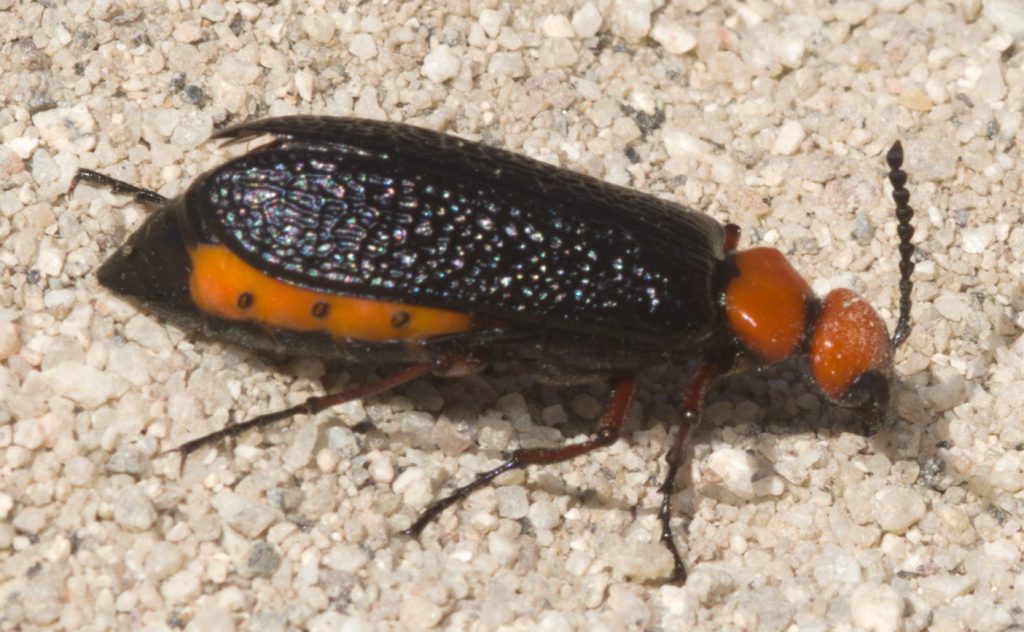
Lyceum Wash (Anza Borrego State Park) 03/24/19
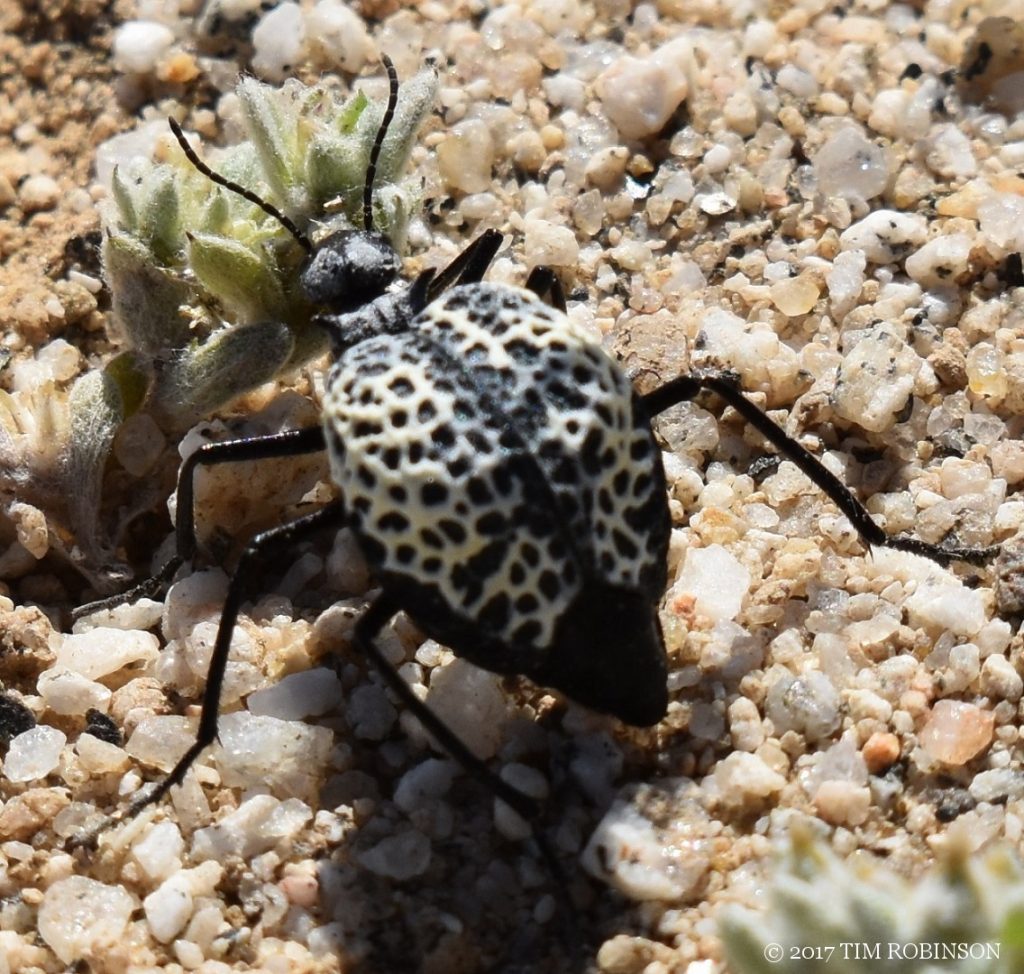
Anza Borrego State Park
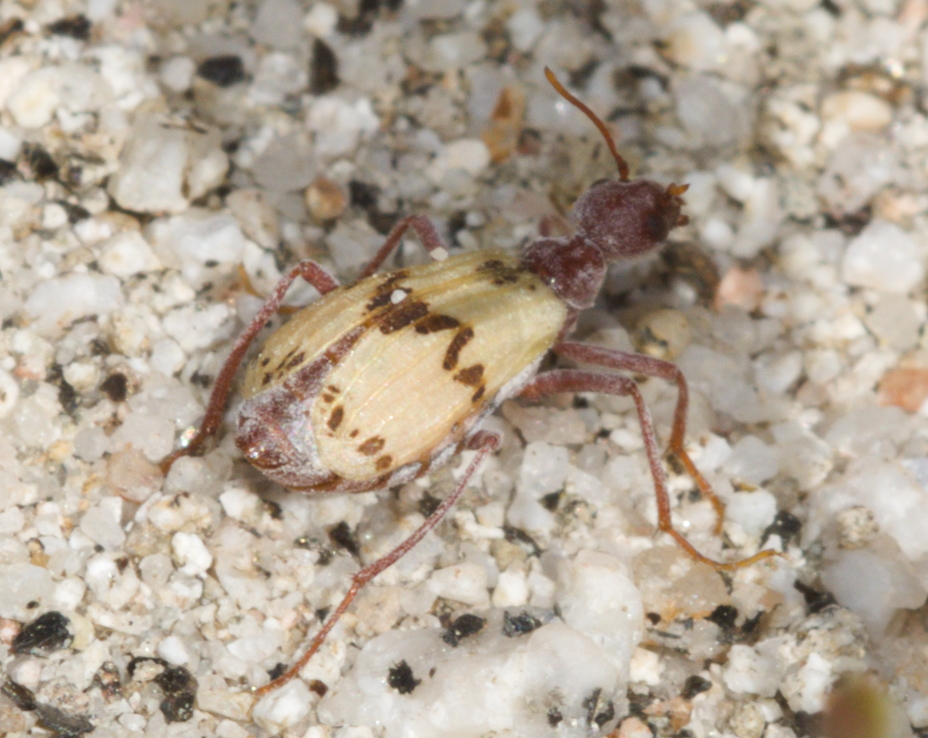
Lyceum Wash (Anza Borrego State Park) 03/24/19
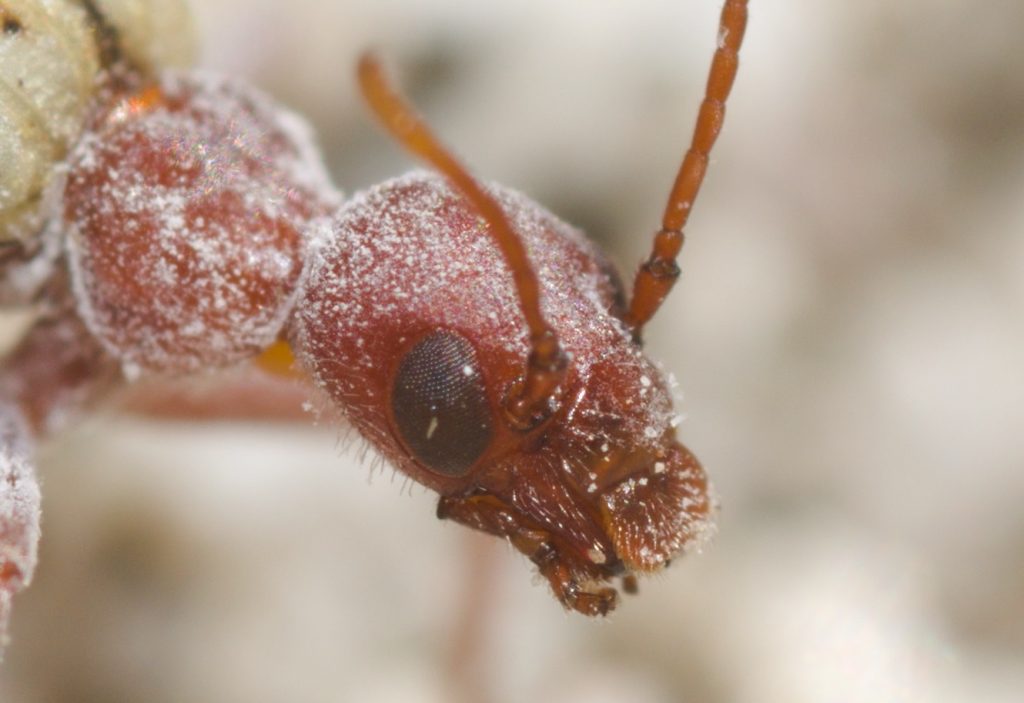
Lyceum Wash (Anza Borrego State Park) 03/24/19
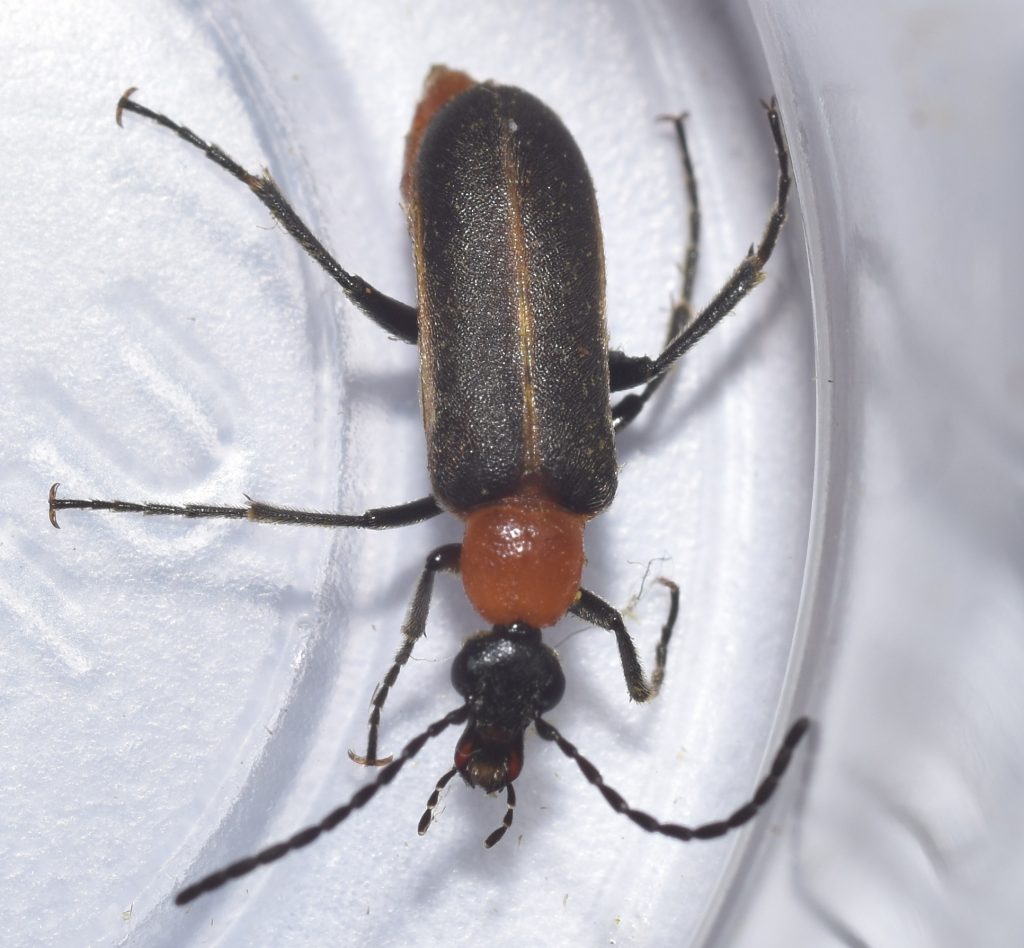
Anza Borrego State Park near East Butte 02/03/19

Anza Borrego State Park near East Butte 02/03/19
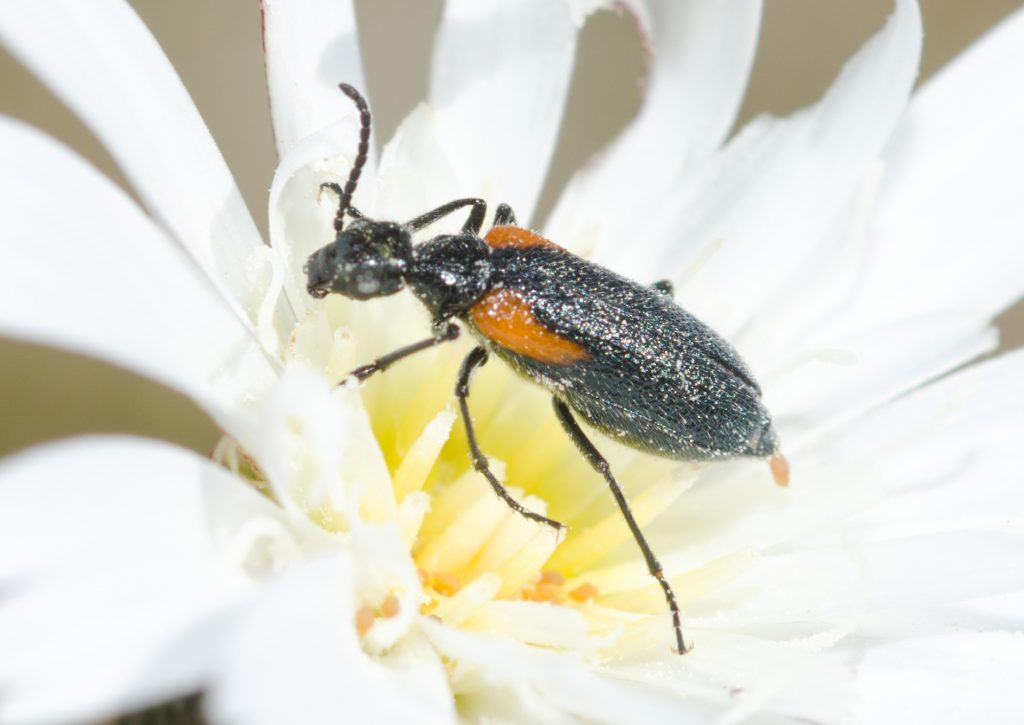
Harper Canyon (Anza Borrego State Park) 03/17/19