My introduction to the genus Euphorbia was a sandmat like the one pictured below. This one was growing in Southern California in chaparral country. It’s called smallseed sandmat (Euphorbia polycarpa). You can see why a macro photographer such as myself would be attracted to it. During the height of the blooming season, a single plant can form a fairly large mat, but it’s the tiny, delicate “flowers” that give this plant a such a striking appearance.
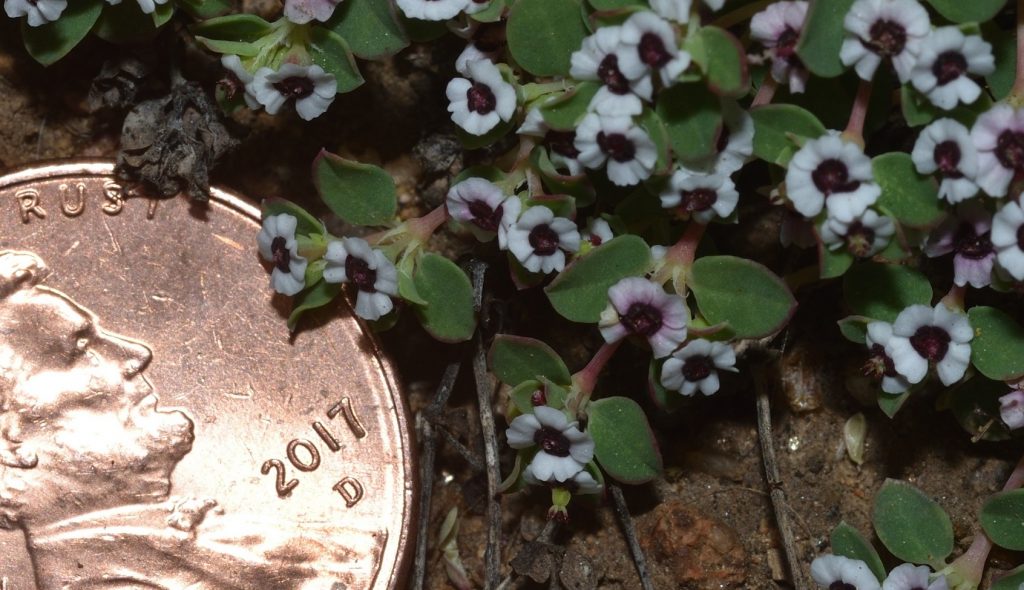
San Diego County, CA 3/9/20
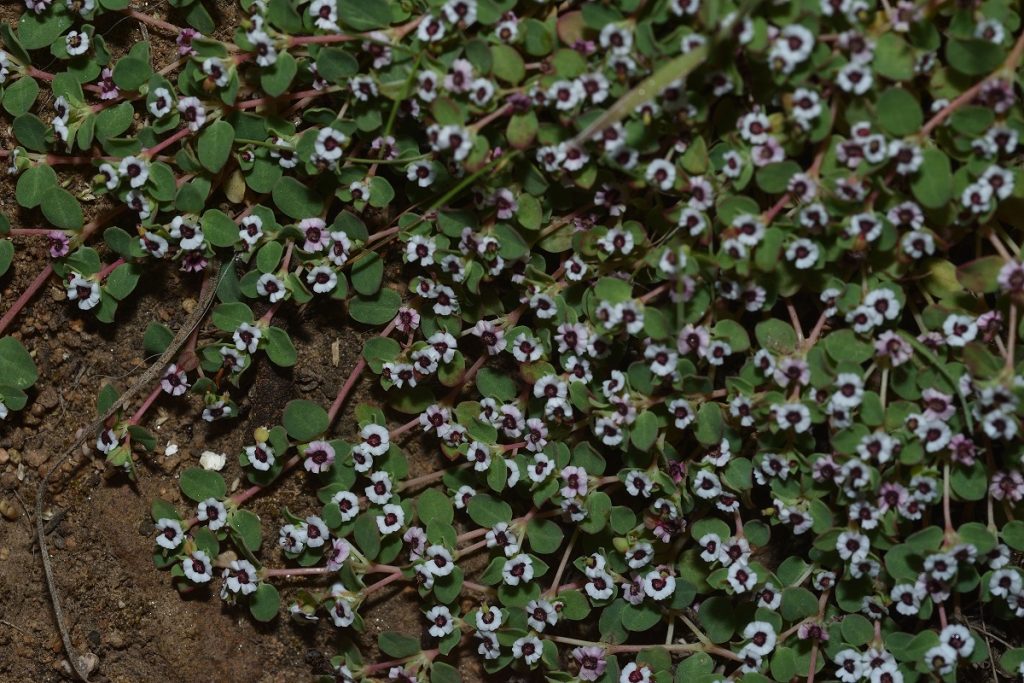
San Diego County, CA 3/9/20
If you’re wondering why I put “flowers” in quotes, it’s because they technically aren’t. They’re inflorescences — clusters of flowers arranged around a main stem. The plant does have real flowers and they’re visible in the above photos, but just barely. Here’s a closeup, taken with a microscope. It’s of a similar species, Arizona spurge (Euphorbia arizonica), which grows in the desert:
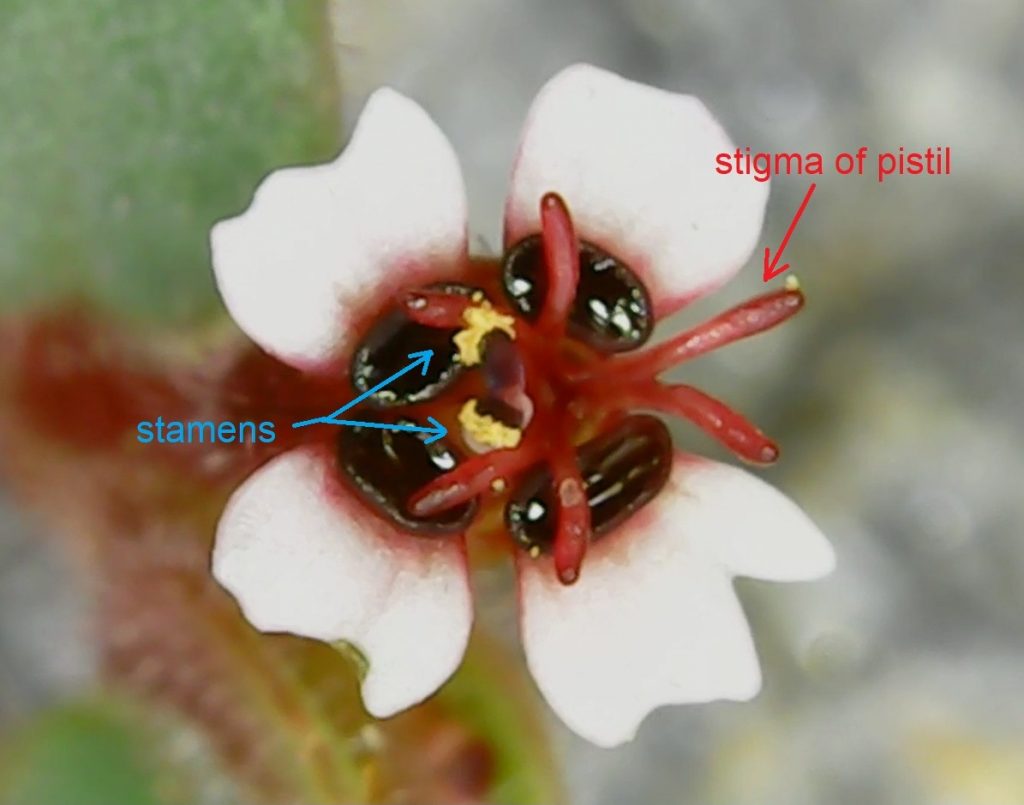
Anza Borego Desert State Park, San Diego County, CA 12/22/18
What looks like white petals are actually bracts — a type of modified leaf often associated with inflorescences. Although they’re not true petals, they frequently serve the same purpose — attracting pollinators by being bright and showy. The dark red, oblong structures at the base of each bract are nectar glands.
The real flowers are in the center of the inflorescence. They don’t look much like flowers because they lack petals and sepals. In the very center is a single female flower, consisting of a bare pistil (the female organ). The three red, forked structures together make up the stigma of the pistil (the top part above the style and ovary). Arranged around the pistil are multiple male flowers. These consist of bare stamens (the male organs). Each stamen consists of a short red filament topped by a yellow anther. Only two stamens are visible in the photo, but there should be four — one for each bract. The other two may be hidden by the pistil.1 2 3
Here’s a couple more photos:
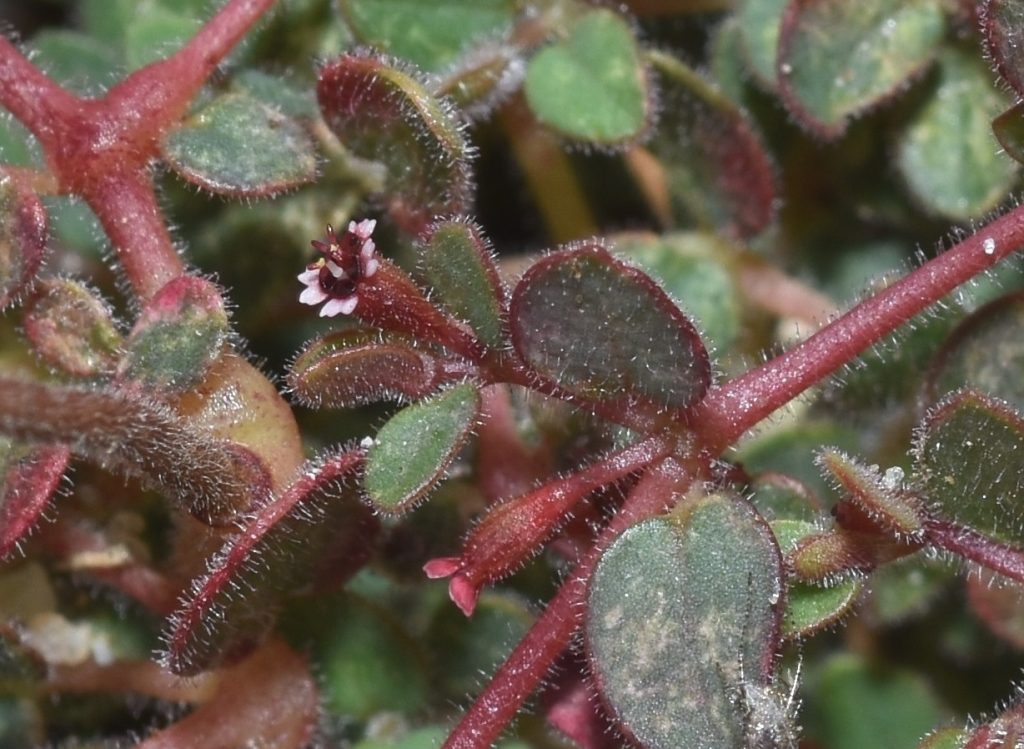
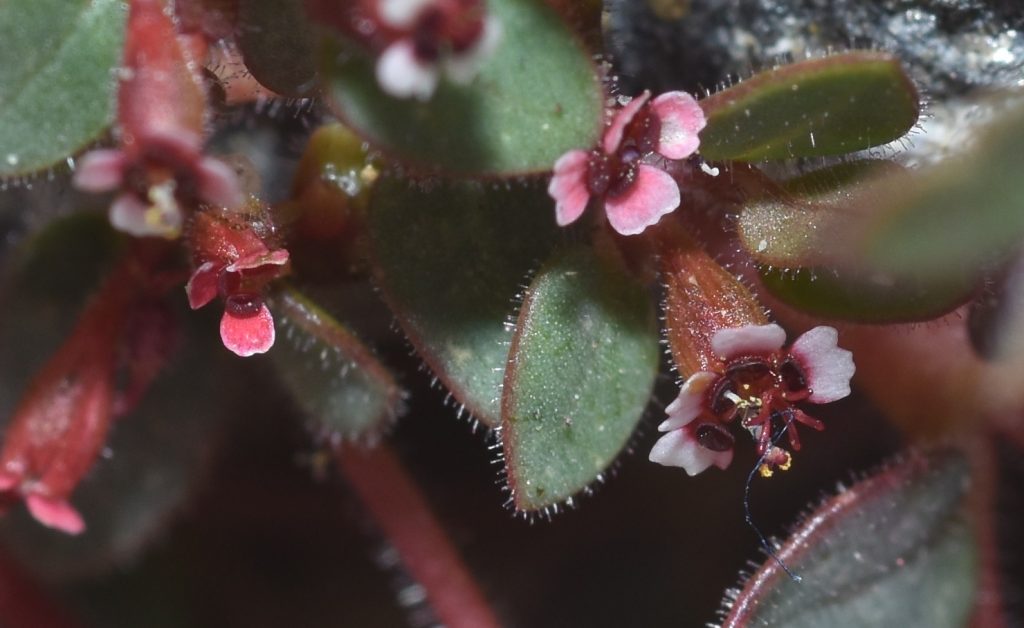
Note: Recent research suggests that this ‘inflorescence’ may not actually be an inflorescence after all. See the section Evolution of the Cyathium later in the article for details.
Euphorbia is a large genus in the family Euphorbiaceae. The terms “Euphorbia” and “Euphorb” are sometimes used to refer to any member of the Euphorbiaceae family, but in this article I’ll be using it in its more restrictive sense for just the plants in the genus Euphorbia. There are over 2000 species, including many very popular ornamentals.
A common name for plants in this genus is “spurge”. The word comes from the Middle English/Old French espurge, meaning “to purge”, and reflects the use of the sap as a purgative in folk medicine. Indeed, all spurges contain a milky sap called latex which is toxic in varying degrees, depending on the species.
Euphorbia is a hugely diverse group, ranging from small herbs like sandmat all the way to trees. A great many species are succulents. Many also have thorns. If that sounds to you like a cactus, you’re not the only one who’s thought so. Euphorbias are often mistaken for cacti. The two groups are not closely related, though.
Cacti evolved in North America as an adaptation to arid environments. On the rare occasion of a rain, the shallow roots of a cactus quickly suck up any water they come into contact with and send it to the thick, fleshy stems for storage. The spines are actually modified leaves. In addition to its obvious defensive purpose, a thick mesh of spines also helps to shade the stems.
It’s not clear where euphorbs originated, but the succulent varieties, at least, appear to have evolved in Africa. In fact, they are Africa’s answer to cacti. Many of the spurges in Africa evolved in similarly arid environments and experienced similar evolutionary pressures. Sometimes, when two unrelated organisms experience very similar challenges, they come up with very similar solutions. This is called convergent evolution and it’s what happened with cacti and succulent euphorbs.
Despite their extraordinary variety, all spurges have some things in common. I already mentioned their toxic latex. Another thing is those weird inflorescences…
A Very Special Inflorescense 6
‘Inflorescence’ is a general term used with all flowering plants. The inflorescences of plants in the Euphorbia genus, however, are so unique that they’ve been given a special name: cyathia (singular cyathium). Every species of Euphorbia has cyathia, but no other type of plant has them. In most plant genera, the species differ in the details of the flowers themselves. In spurges, it’s mostly the cyathium that differs.
I already described a cyathium in the last section, but this is such an important feature of Euphorbia that it’s worth going through it again with maybe a few more details. According to Wikipedia7, a cyathium has the following characteristics:
- Four or five bracteoles (small bracts)
- One to ten nectar glands at the base of the bracteoles. These are sometimes fused.
- Usually, there’s a single female flower in the center, consisting of a single pistil.
- The female flower is surrounded by multiple male flowers — one for each bracteole. Each male flower consists of a single stamen.
The photo below shows a flower of an unidentified species of Euphorbia. A legend follows the photo. Even without referring to the legend, you can probably spot the female flower in the center and the bright yellow nectar glands surrounding it. The male flowers are a bit more difficult to identify, since they haven’t finished developing. “jmf” in the photo stands for “juvenile male flower”.
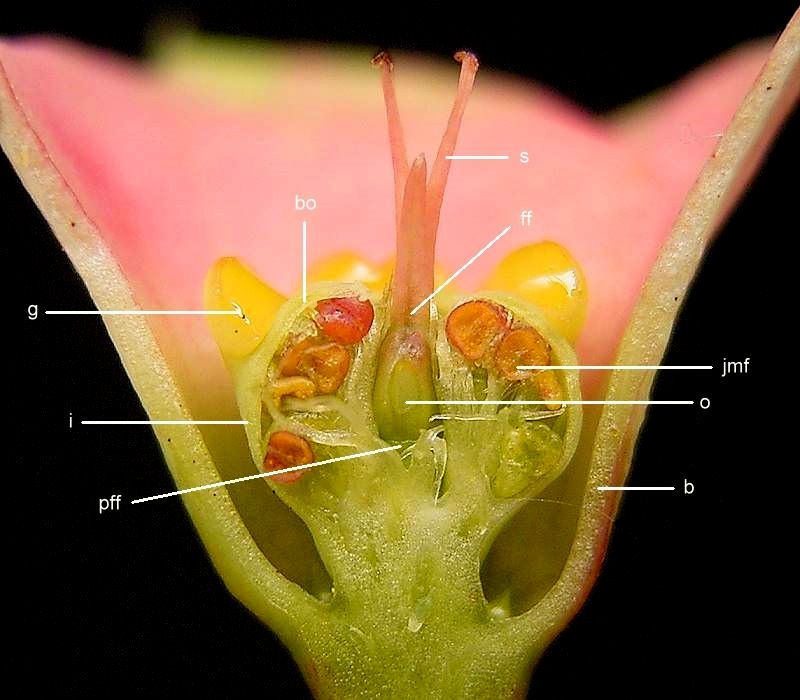
Author: Frank Vincentz
This file is licensed under the Creative Commons Attribution-Share Alike 3.0 Unported license.
- b Bract
- i Involucre
- g Gland
- ag Appendage of the gland
- bo Bracteole
- mf Male flower
- jmf Juvenile male flower
- a Anthere
- pmf Pedicel of the male flower
- ff Female flower
- o Ovary
- s Style
- pff Pedicel of the female flower
Evolution of the Cyathium 8
Researchers Gerhard Prenner and Paula Rudall at the Royal Botanic Gardens, Kew (England) have been studying the origin of cyathia. Euphorbia evolved from plants in the Old World — they have relatives in places like Australia, New Caledonia, Africa, and Madagascar. These relatives have a more open type of inflorescence called a thyrse. A thyrse is defined as a main axis that grows indeterminately (i.e. it doesn’t have a terminal bud), surrounded by cymes (floral arrangements where there is a terminal bud surrounded by younger buds). Figure 1 illustrates this.
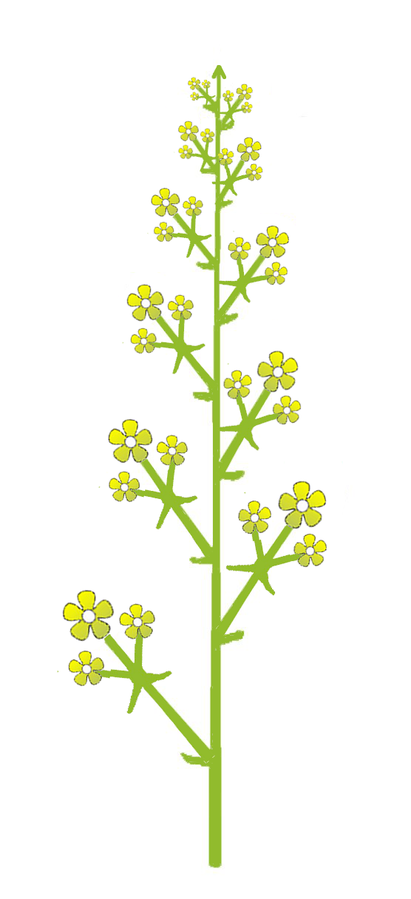
Author: Michael G. Simpson. Redrawn and color: User:RoRo
This work is ineligible for copyright and therefore in the public domain because it consists entirely of information that is common property and contains no original authorship.
In the particular kind of thyrse that these researchers believe evolved into the cyathium, there is a terminal female flower surrounded by cymes of male flowers. (This seems to contradict the requirement that the main axis be indeterminate, so I’m a bit confused on that point. At any rate, that’s the type of inflorescence they’re calling a thyrse.) It’s not too hard to imagine how such a cluster of flowers might have gradually condensed into the form of a cyathium.
Prenner and Rudall’s research has also led to the fascinating suggestion that the cyathium may actually be neither an inflorescence nor a flower, but some kind of hybrid of the two. It appears that some of the regulatory genes that would normally determine the development of individual flowers have been recruited to help control the development of the cyathium. This could help to explain why the cyathium looks so much like a flower, even though it evolved from an inflorescence.
The Fruit
In the cyathium in the center of the following photo, the fertilized female flower has developed into a fruit. As you can see, it’s grown so large that the pedicel can no longer support it. The male flowers that used to surround it have all withered away.
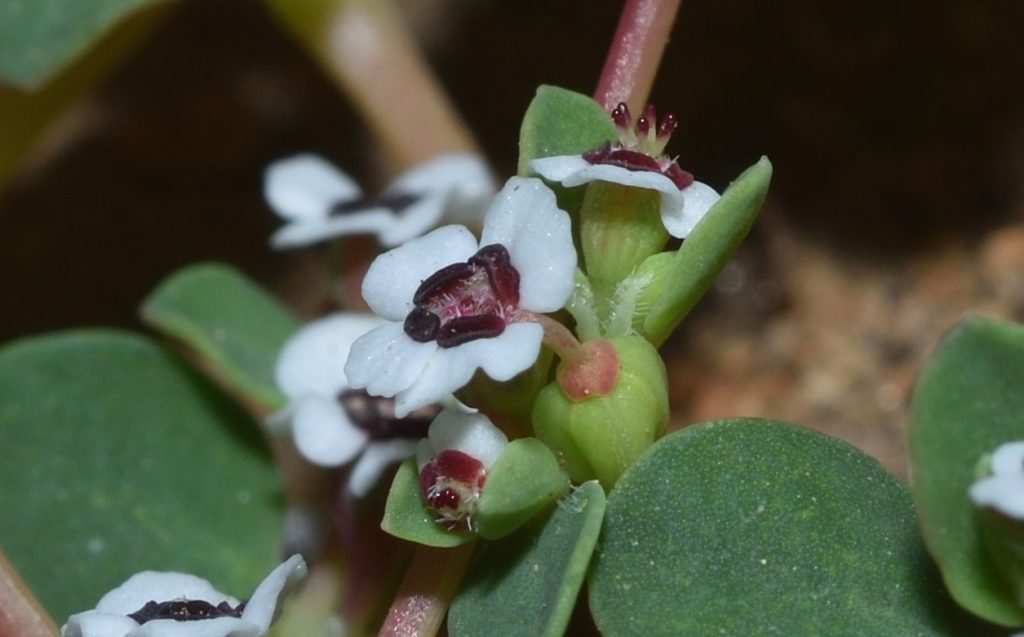
San Diego County, CA 3/9/20
Another fruit is visible in the next photo. It has three compartments, which is typical of most euphorbs, although a few species have fruits with only two.
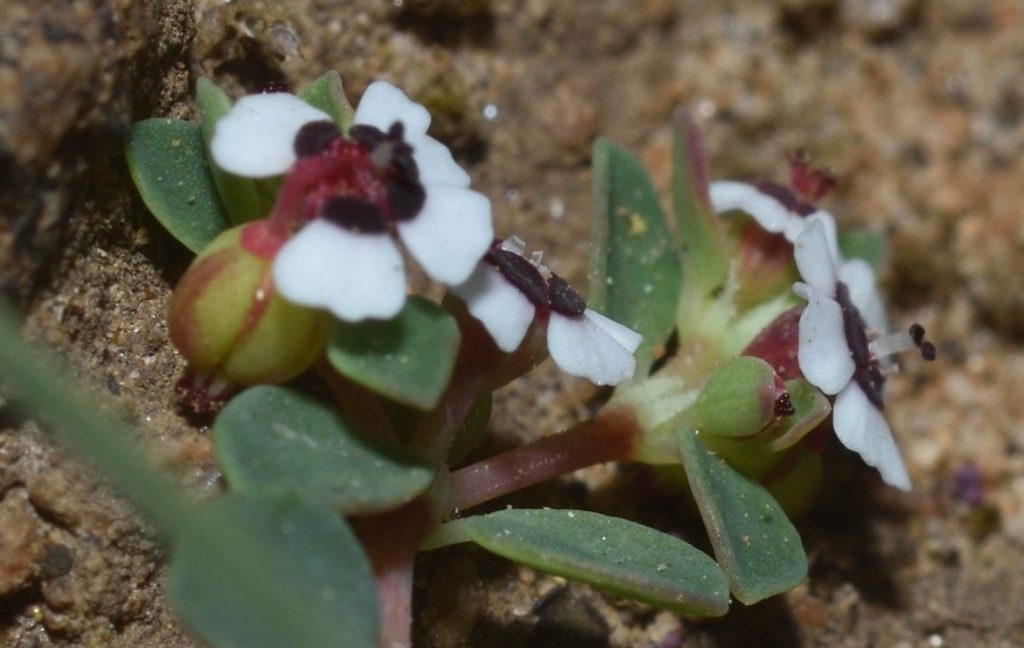
San Diego County, CA 3/9/20
Now that we’ve covered the general characteristics of the genus, let’s take a look a few more species…
Petty Spurge (Euphorbia peplus) 9 10
Note: This should not be confused with purple spurge (Euphorbia peplis).
Petty spurge is also called radium weed, cancer weed, and milkweed. (Milkweed is also used for plants in the unrelated genus Asclepius.) Petty spurge is native to Europe, northern Africa, and western Asia, but it’s been naturalized in many other parts of the world, including here in Southern California. It’s a small, annual plant that tends to grow in disturbed areas.

Ruffin Canyon, San Diego County, CA 4/13/19
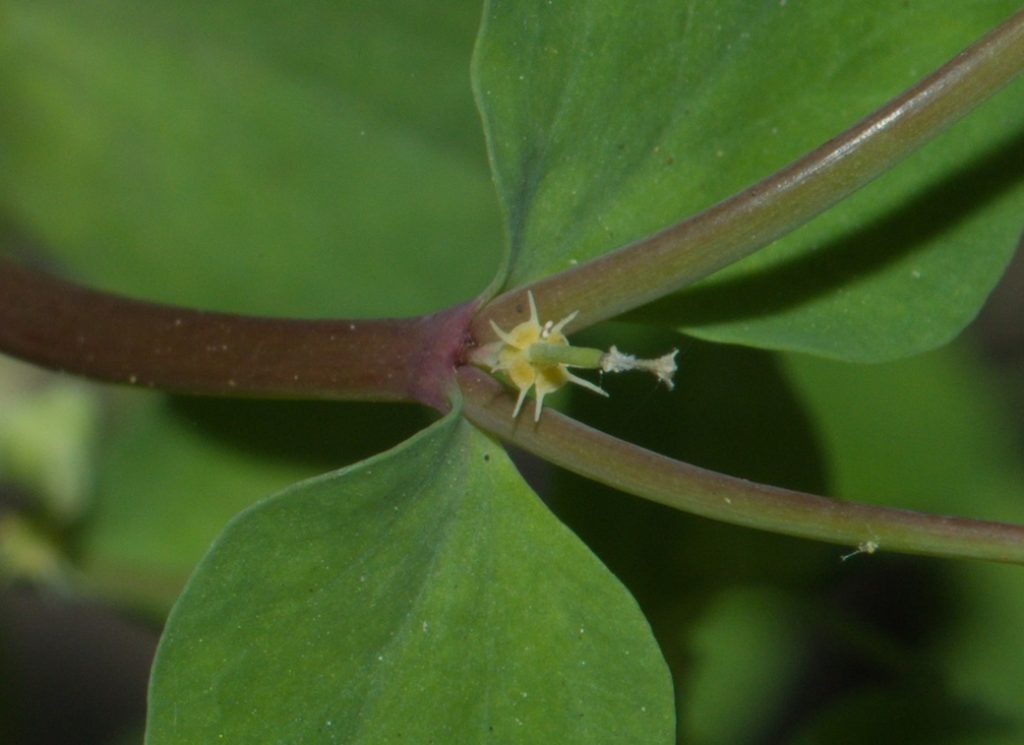
The following photo shows one of the fruits. As with E. polycarpa, it has three compartments.
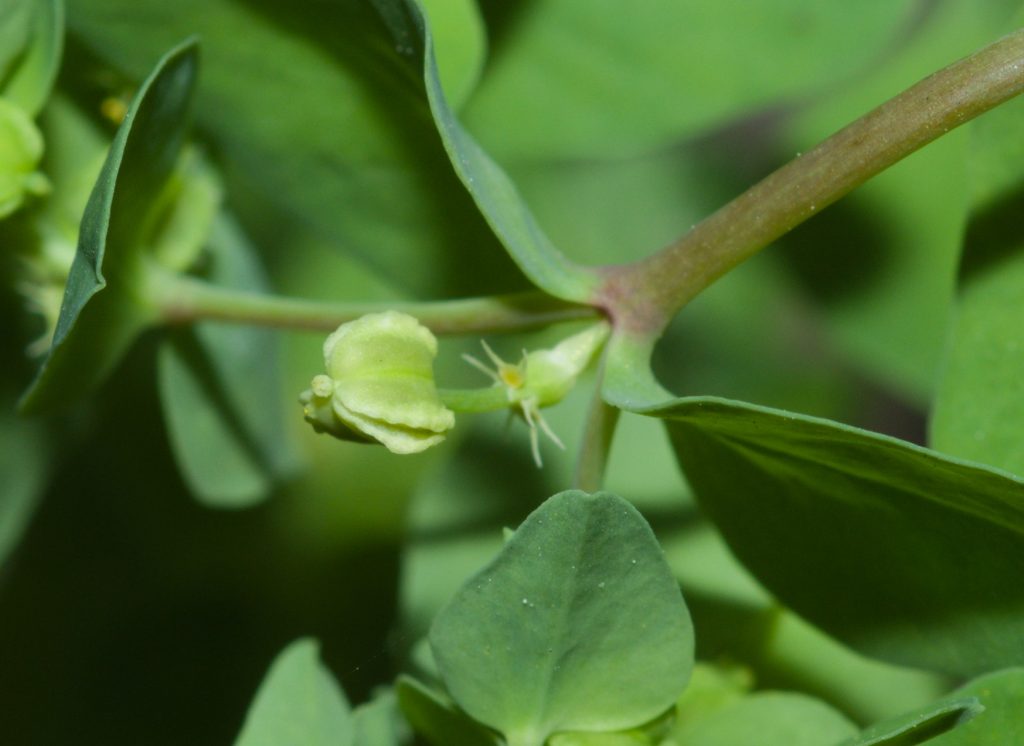
Ruffin Canyon, San Diego County, CA 4/13/19
The next several photos show the cyathium in various stages of development.
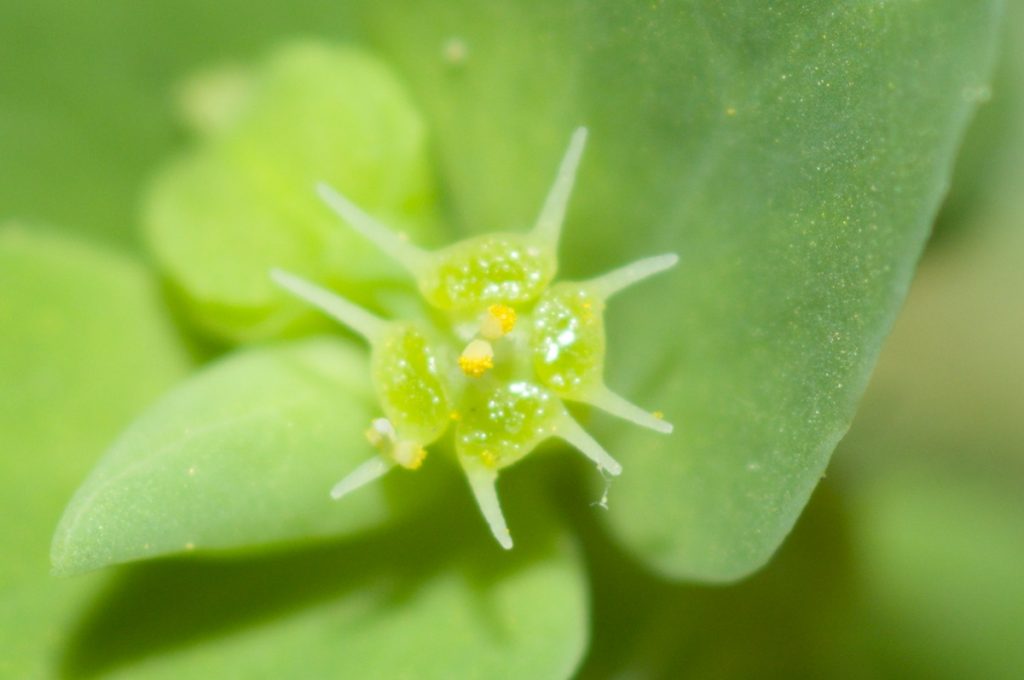
Ruffin Canyon, San Diego County, CA 4/13/19
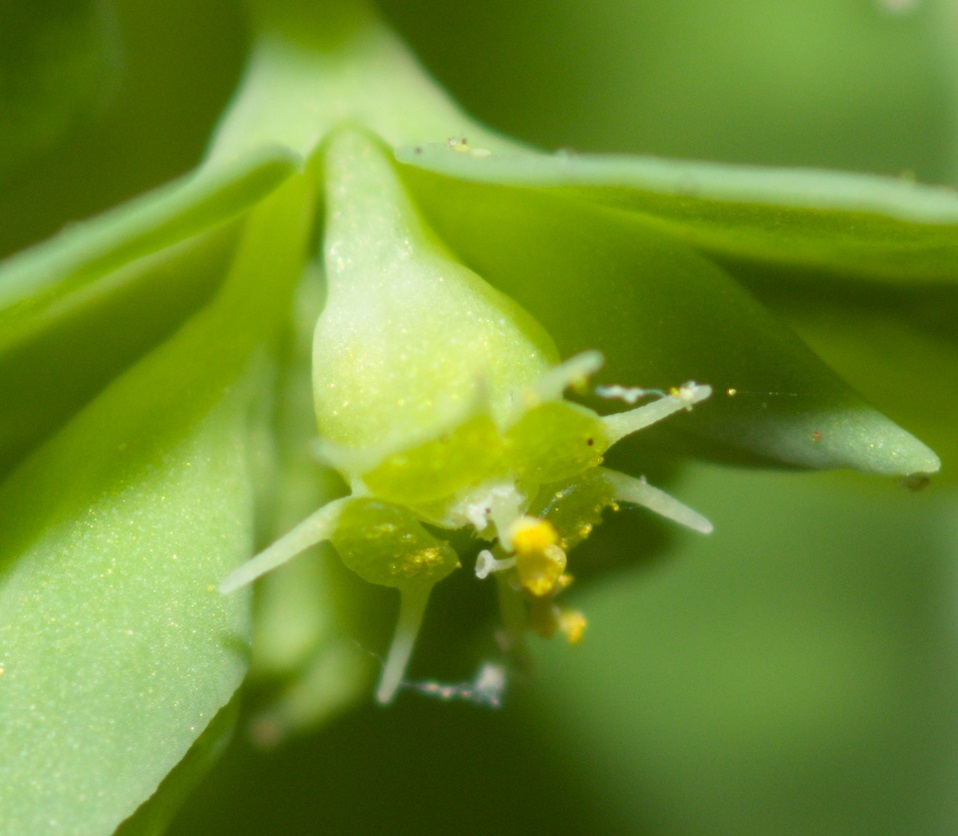
Ruffin Canyon, San Diego County, CA 4/13/19
Ruffin Canyon, San Diego County, CA 4/13/19
In European folk medicine, the latex from petty spurge is sometimes used for removing warts, corns, sun spots and non-melanoma skin cancers. The sap is applied to the spot once a day for two or three days. The latex “burns” the spot off, forming a scab that drops off after about a week.
Medical research has been done on the use of this sap in cancer treatment. Laboratory experiments have shown that the active ingredient in the sap, ingenol mebutate, is selective in targeting leukemia cells and that the cells are sensitive to small doses. Clinical trials with the latex have shown significant clearance of human non-melanoma skin cancers. (Note: Please don’t try to self-medicate with petty spurge. Always consult with your doctor for treatment options.)
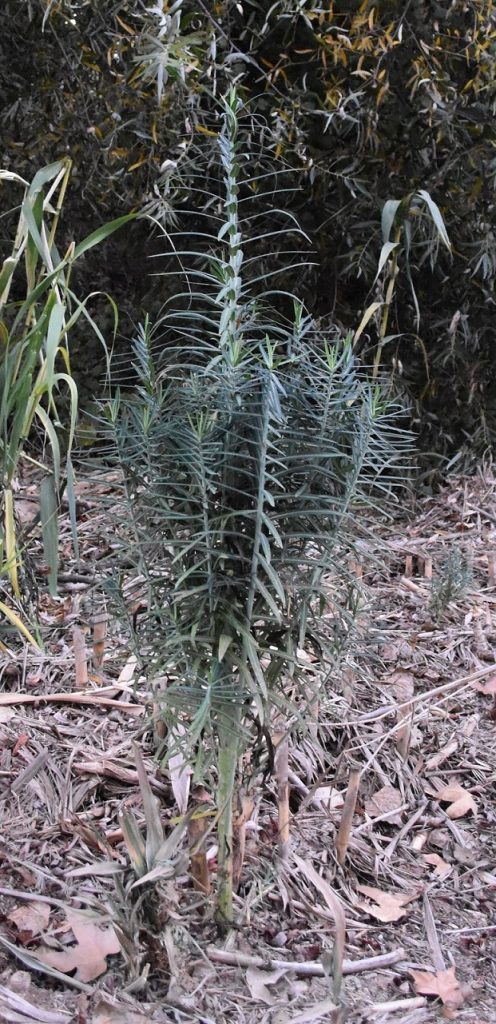
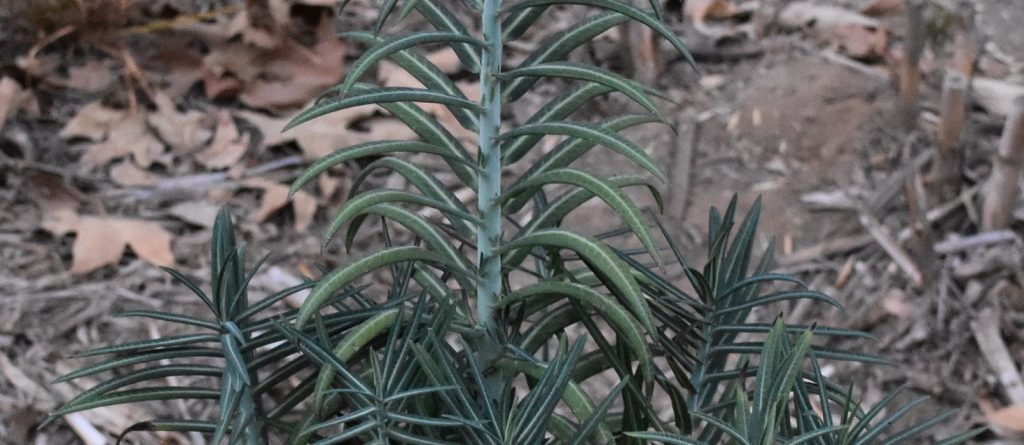
Caper Spurge (Euphorbia lathyris) 11 12
Caper spurge is native to southern Europe, northwest Africa, and parts of Asia. Unfortunately, it’s something of an invasive here in Southern California. All parts of the plant are toxic. It’s sold by some nurseries because it’s believed to repel moles. For this reason, it’s sometimes called mole plant. Another common name is gopher spurge or gopher plant.
E. lathyris has been used in folk medicine as a purgative and for removing corns, warts, and non-lymphoma cancers. (The plant is highly poisonous, so don’t try this yourself. There are safer, modern treatments for all those things.) Beggars have even been known to apply the leaves to their skin in order to raise sores and blisters in an attempt to elicit pity and, thereby, increase their revenue.
Rancho San Diego, CA 9/27/17
Rancho San Diego, Jamul, CA 9/27/17
A Few Ornamentals
The species of Euphorbia that I’ve been discussing up to this point were all found growing wild. However, spurges are such popular ornamentals and take such strange and varied forms that I felt I should include a few of the cultivars that I see growing in my neighborhood. So the rest of this article will be devoted to a few of the more common examples.
Crown of Thorns (Euphorbia milii) 13
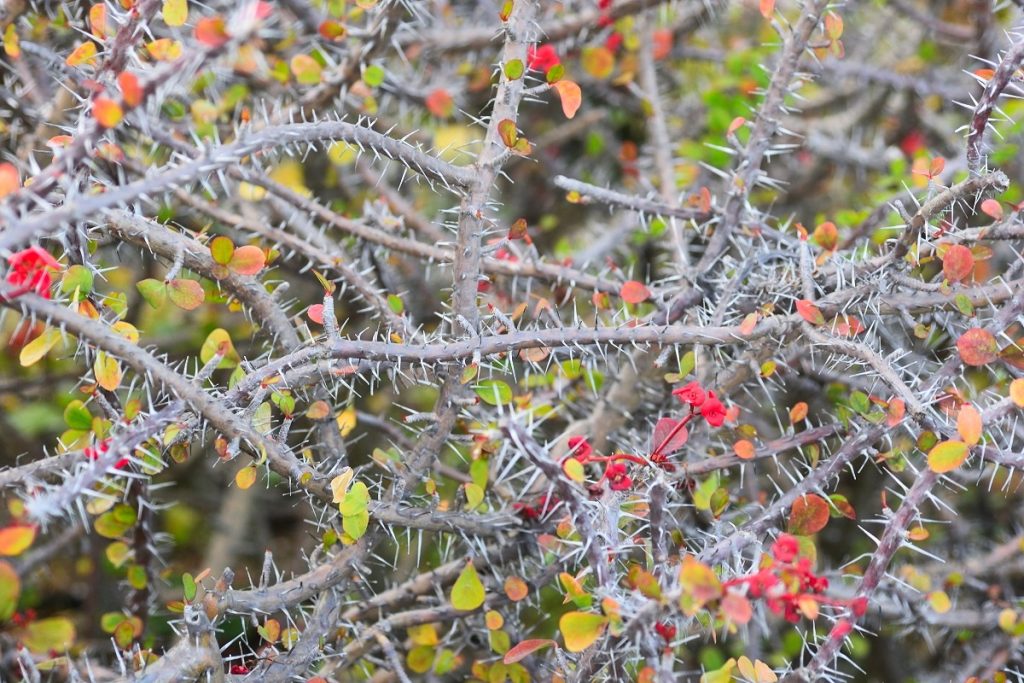
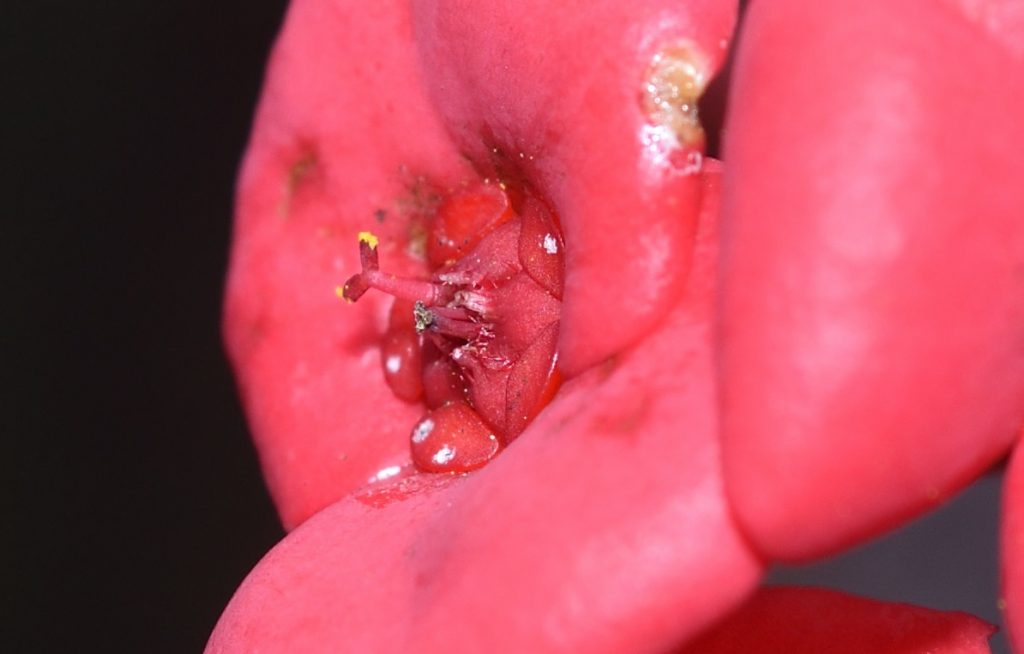
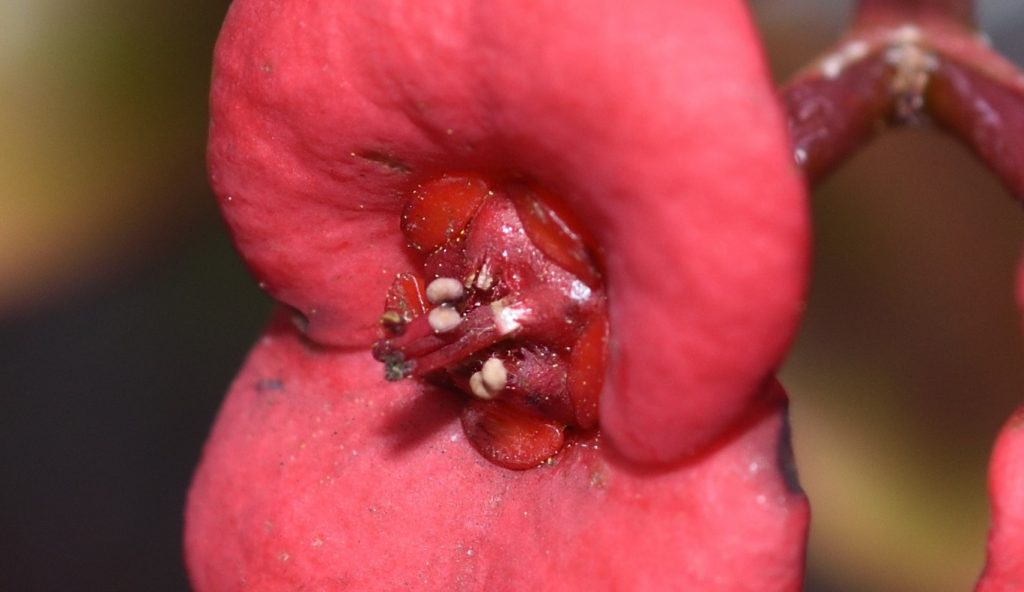
Legend has it that the crown of thorns worn by Jesus at the Crucifixion was made from the stems of Euphorbia milii. Hence the common names: crown of thorns, Christ plant, and Christ thorn. Not surprisingly, there’s no hard evidence to back up this legend. It’s not entirely out of the realm of possibility, though. The stems are flexible and, as you can see from the following photo, they would certainly do the job. E. millii is native to Madagascar, but according to a number of websites, there exists “substantial” evidence that it was brought to the Middle East before the time of Christ. (Substantial though it may be, I haven’t been able to track down any of this evidence. Admittedly, I haven’t spent a lot of time trying.)
La Mesa, CA
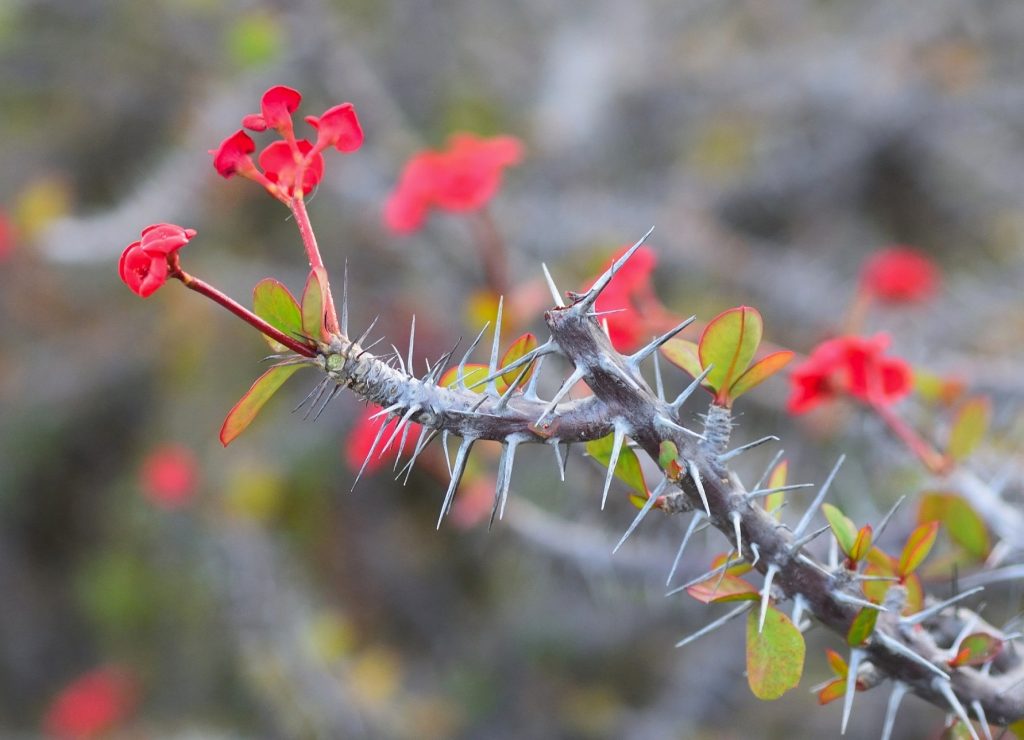
La Mesa, CA
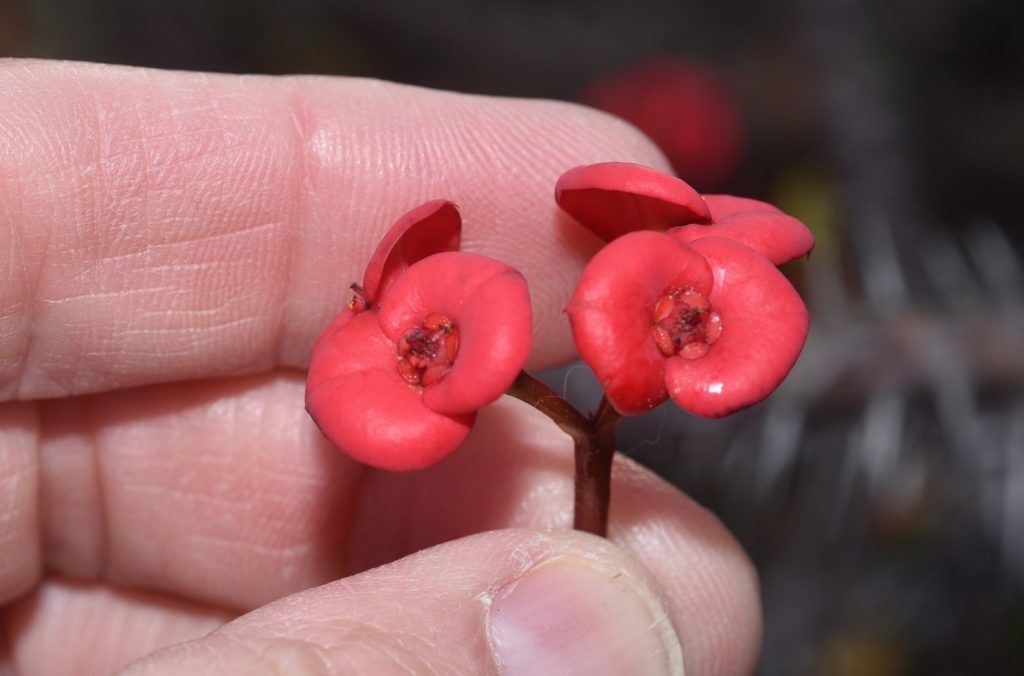
La Mesa, CA
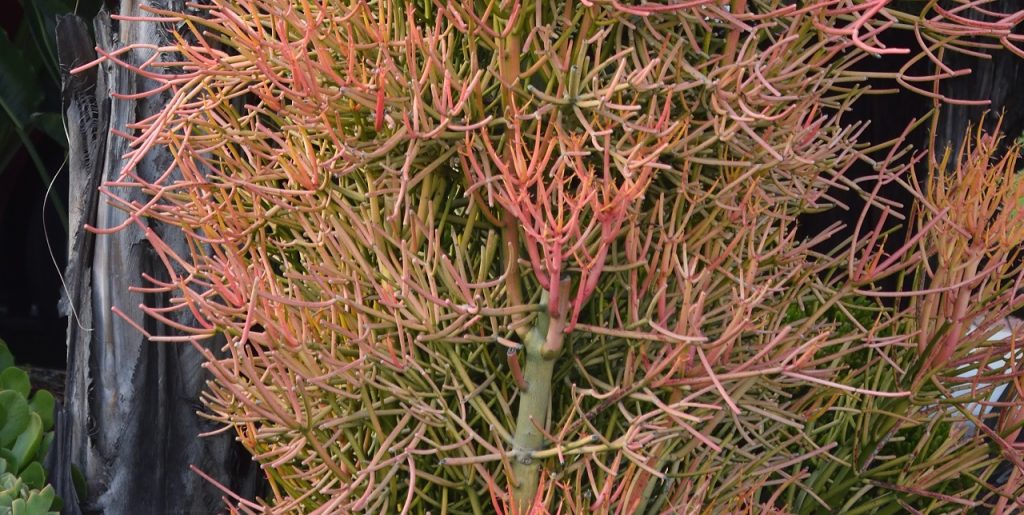
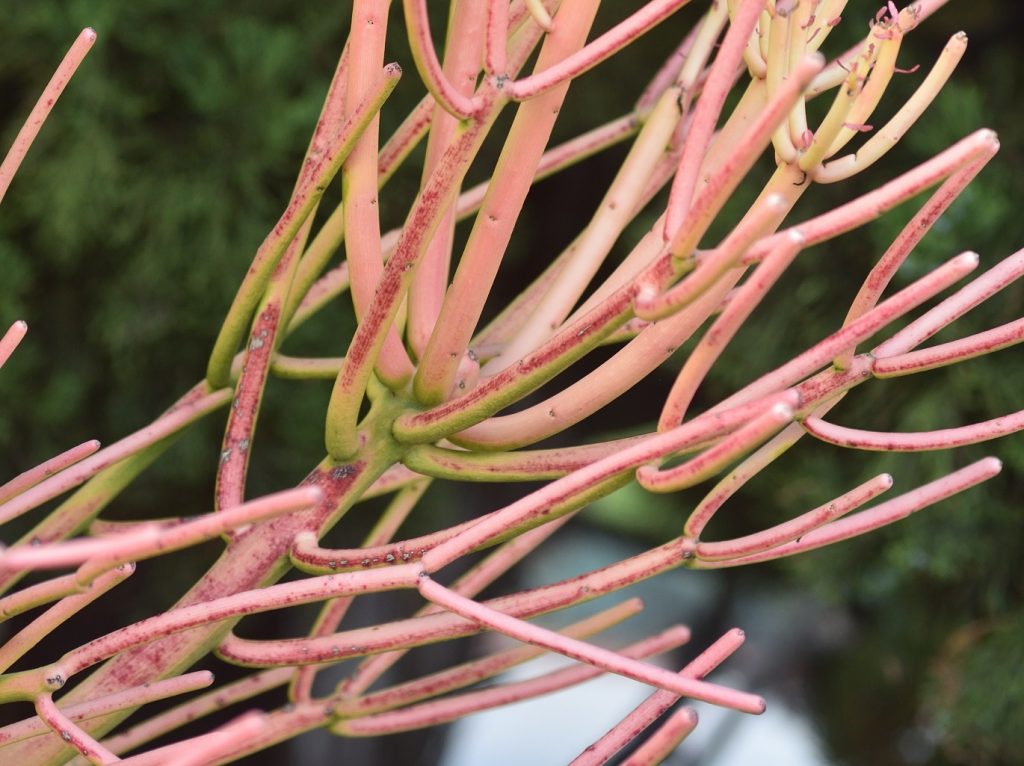
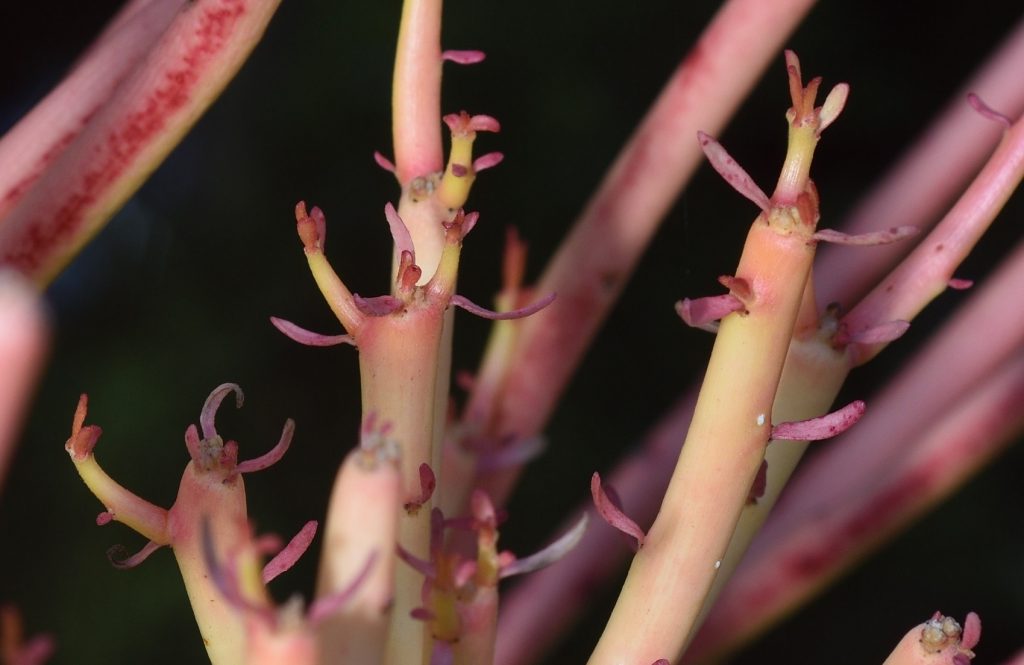
Pencil Cactus (Euphorbia tirucalli) 14
Pencil cactus or pencil tree is, of course, not a real cactus. It’s a euphorb that’s native to Africa and it’s an example of a succulent euphorbia. It can grow into a small tree up to 7 meters tall.
Pencil cactus is a very popular ornamental in many parts of the world. It should be handled with care, however. Its latex can cause extreme irritation and a burning sensation if you get it on your skin. More alarmingly, it can cause blindness if you get some in your eyes. (I believe the blindness is temporary, but it’s not something I’d want to chance.) So it’s probably a good idea to wear gloves and eye protection when handling it, especially if you’re going to be pruning or cutting it.
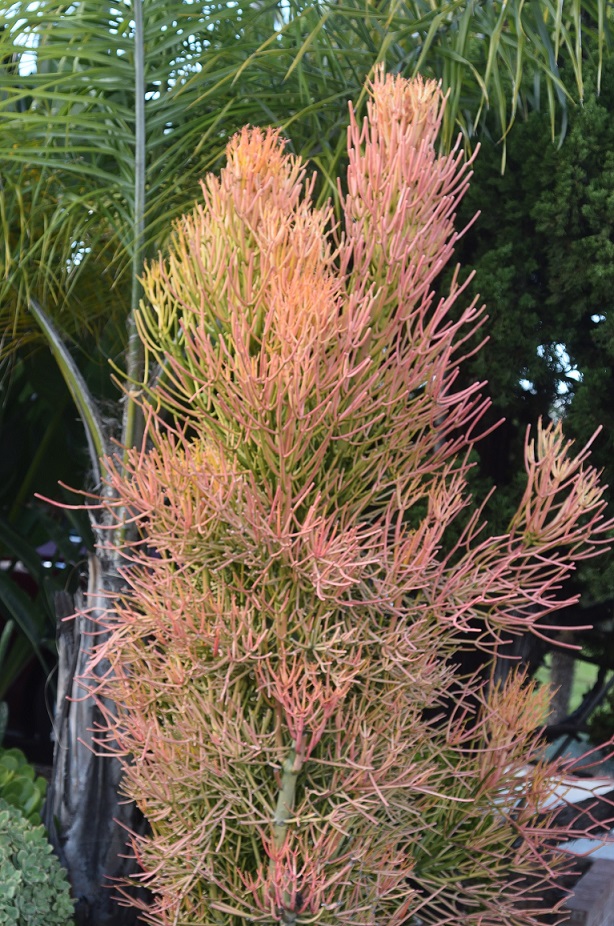
La Mesa, CA 3/24/20
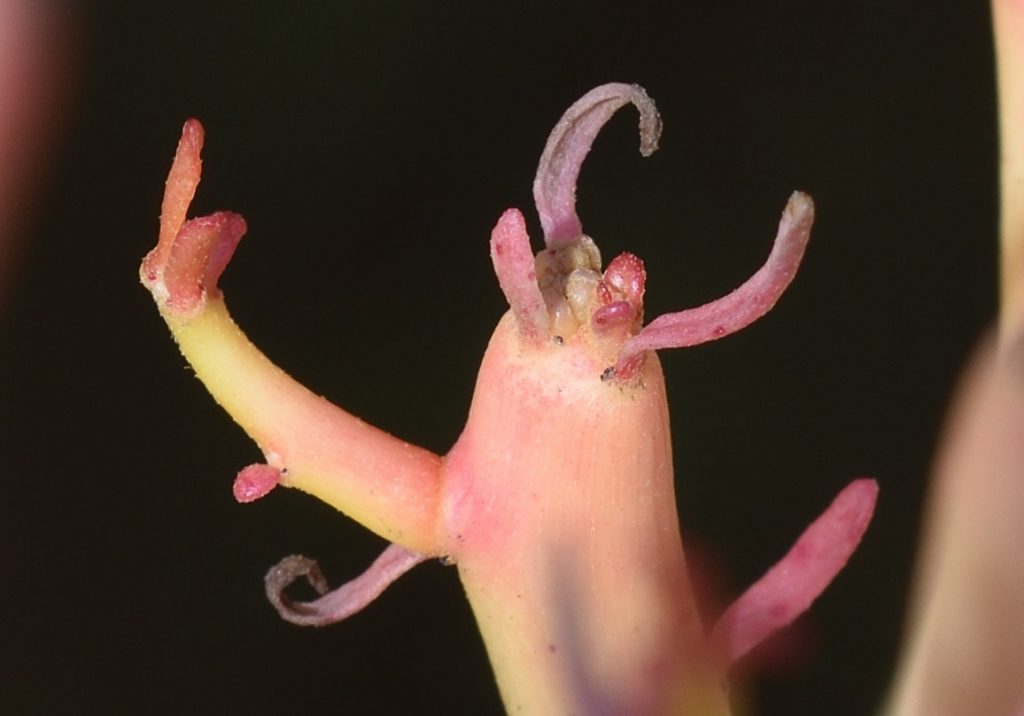
Poinsettia (Euphorbia pulcherimma) 15 16 17 18
Yes, the famous poinsettia is a euphorb. The red “petals” are actually bracts. In this case, it’s pretty obvious that they are modified leaves — they look almost exactly like the other leaves, just a different color.
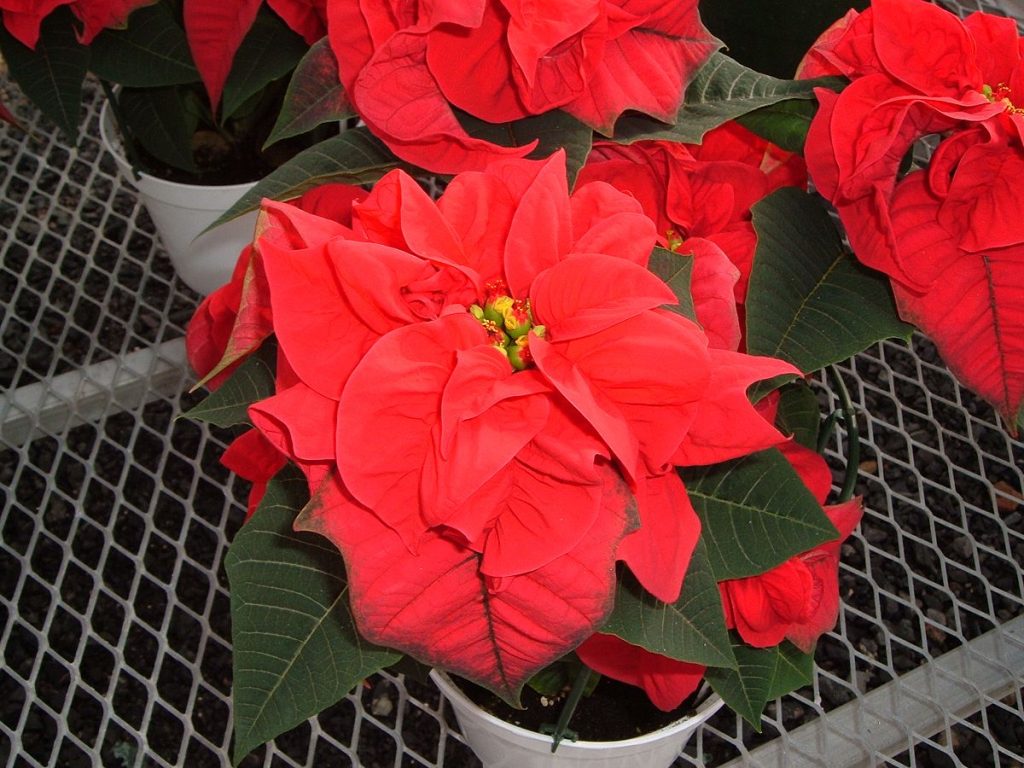
Source: Max Wahrhaftig
Permission is granted to copy, distribute and/or modify this document under the terms of the GNU Free Documentation License, Version 1.2 or any later version published by the Free Software Foundation; with no Invariant Sections, no Front-Cover Texts, and no Back-Cover Texts. A copy of the license is included in the section entitled GNU Free Documentation License.
Poinsettias are native to Mexico and Central America, ranging as far south as Guatemala. Most of the cultivated varieties are thought to be derived from a single population in the Mexican state of Guerrero.
Poinsettia gets its common name from Joel Roberts Poinsett, the man who was first responsible for popularizing the plant outside of its native range. Poinsett is an interesting character in his own right. Born in 1779 in Charleston, South Carolina, he had a long and storied career as a physician and diplomat. He was also an amateur botanist and maintained hothouses on plantations that he owned in Greenville, South Carolina.
From 1825 to 1829, Poinsett served as the first United States Ambassador to Mexico. He encountered poinsettias while visiting the Taxco area in 1828 and sent some back to his hothouses in South Carolina. He propagated the plants there and began sending them to friends and to botanical gardens.
Although not native to California, poinsettias nevertheless have a close connection to the state, thanks to the Ecke family. (Ecke is pronounced EH-kee.) Albert Ecke emigrated to Los Angeles from Germany in 1900, where he opened a dairy and orchard. Albert became interested in poinsettias and began selling them from street stands. Albert’s son, Paul, developed a grafting technique that made the plants significantly more attractive. It was Albert’s grandson, Paul Ecke Jr., however, that really got the ball rolling.
Paul Jr. seems to have been something of a marketing genius. He sent free plants to television stations where they would be displayed from Thanksgiving to Christmas. He even appeared on television shows like The Tonight Show and Bob Hope’s Christmas specials. The plants got screen time with Johnny Carson and Dinah Shore. By good fortune, poinsettias happen to flower during the Christmas season. (Remember, the plant is native to hot climates, so it’s not that too surprising that they would flower during the winter.) So the family began promoting poinsettia as “the Christmas flower”.
In 1923, the Ecke family moved their operation from Los Angeles to Encinitas, CA in San Diego County (only 30 miles from where I live, incidentally). The Paul Ecke Poinsettia Ranch is still located there.
The Eckes made pointsettias the best-selling potted plants in America. At its height, the family supplied 90 percent of the American market. Eventually, a grad student was able to figure out the secret grafting technique that was used to improve the appearance of the plants and, as a result, the company lost some of its market share. Nevertheless, the Eckes still retain a 70 percent share of the market.
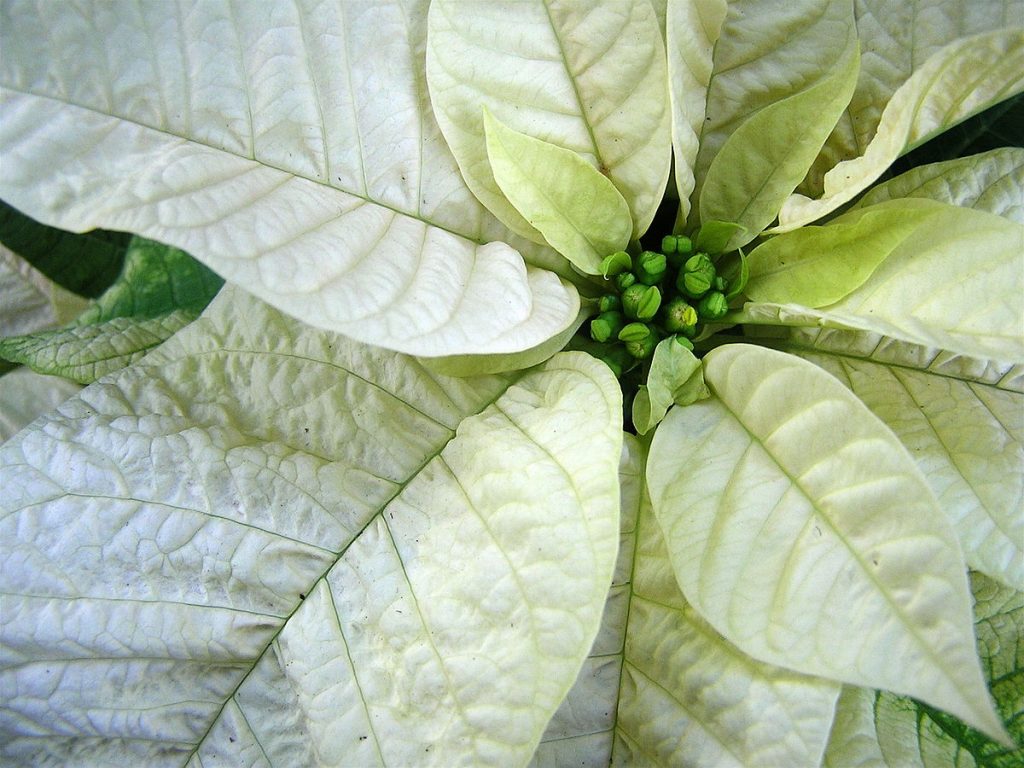
Source: https://www.flickr.com/photos/calliope/74116749/in/photostream
Author: Muffet
This file is licensed under the Creative Commons Attribution 2.0 Generic license.
Although it’s widely believed that poinsettias are highly toxic to humans and pets, this is an urban legend. Poinsettia sap is toxic, but much less so than many other members of the genus. It may cause diarrhea or vomiting if swallowed, but the bad taste makes this unlikely and simple contact with the plant by children or pets often has no effect. Researchers trying to determine a poisonous dose by feeding the plant to rats were unable to find one. They fed rats the equivalent of 500 leaves and the rats still survived! So you shouldn’t have to worry too much about keeping poinsettias around the house.
Pseudanthia 19
Many other types of flowering plants have inflorescences that look like flowers. The general term for this type of inflorescence is pseudanthium (pl. pseudanthia). Other terms you’ll hear are flower head, composite flower, and capitulum.
The most well-known plants with composite flowers are members of the aster or sunflower family, Asteraceae. The pseudanthium of a sunflower consists of a large number of disk flowers surrounded by ray flowers. The ray flowers look for all the world like petals, but they’re not. Each one is an individual flower. Likewise with the disk flowers.
The flowers of some Asteraceae, like the dandelions, have only ray flowers. Others, like the thistles, have only disk flowers, but in all cases, what looks like a single flower is actually many flowers.
Here’s a photo of the flower head of a California sunflower:
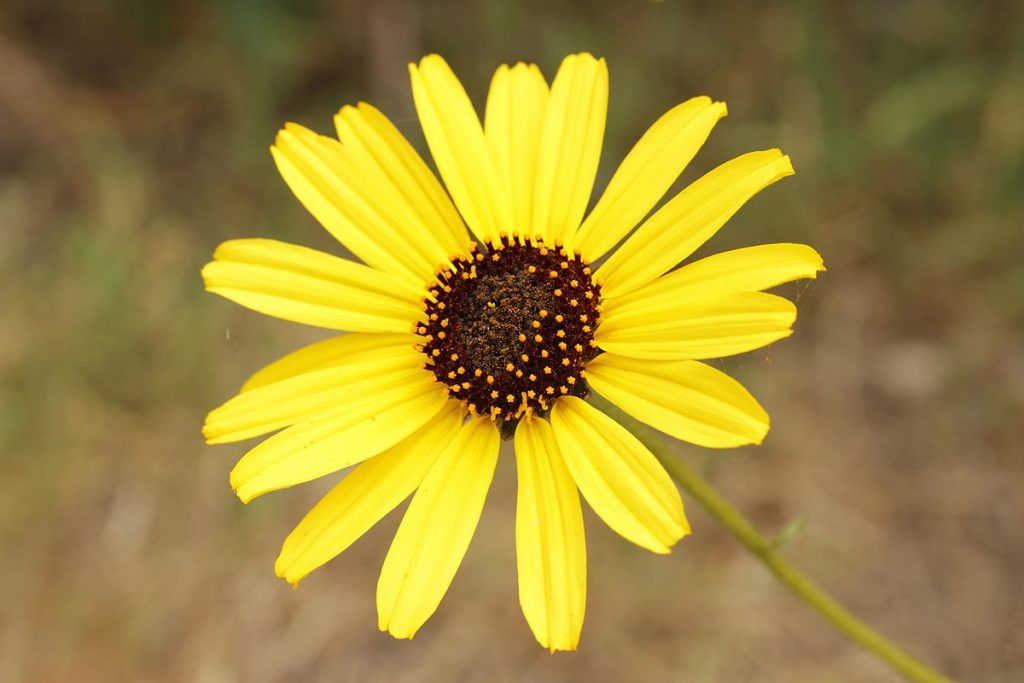
Author: Björn S…
This file is licensed under the Creative Commons Attribution-Share Alike 2.0 Generic license.
Another good example of flowering plants that have pseudanthia is the arum family, Araceae. Members of this family have a type of composite flower called a spadix, which is a tall column or spike, usually with female flowers arranged toward the bottom of the column and male flowers toward the top. The spadix is almost always surrounded by a modified leaf called a spathe.
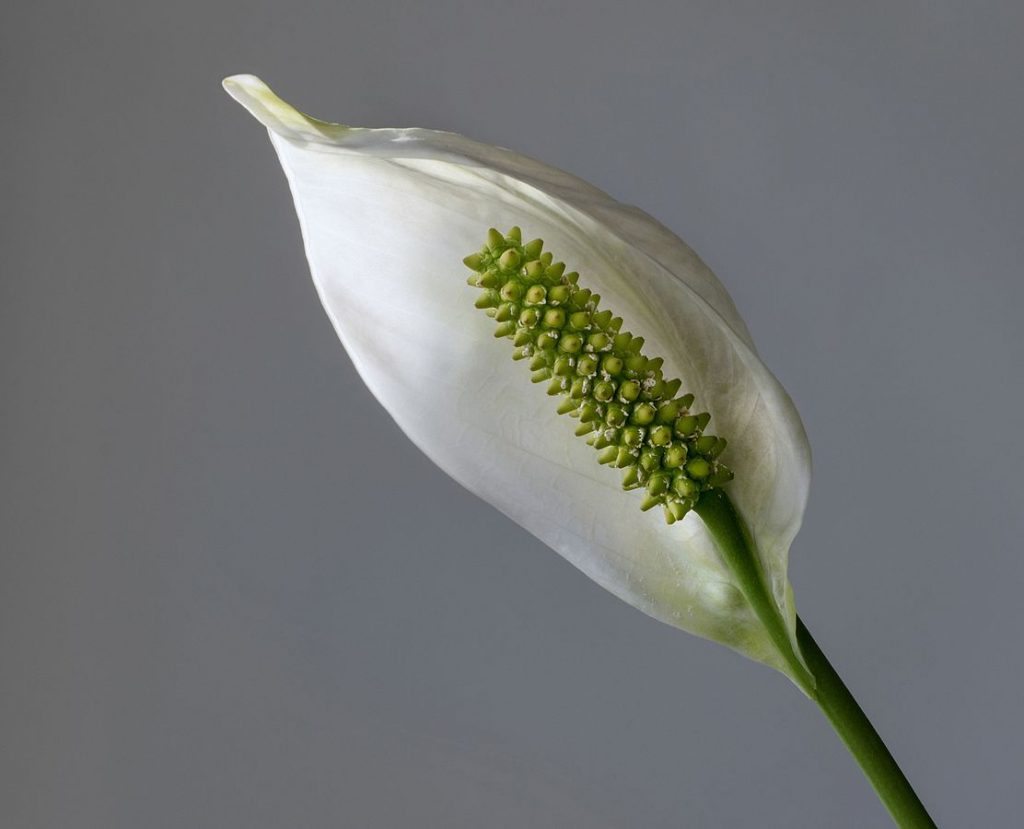
Peace lily (Spathiphyllum cochlearispathum)
Author: W.carter
This file is licensed under the Creative Commons Attribution-Share Alike 4.0 International license.
As discussed earlier in the article, researchers have found that the cyathium of a spurge may actually be a hybrid of a flower and an inflorescence. Some of the regulatory genes that determine the development of a flower have been recruited to help control the development of the cyathium. It would be interesting to know if this is the case with other types of pseudanthia. I don’t know if anyone has studied this.