Paleontologists have long believed that birds evolved from dinosaurs — specifically theropods, the group that includes bipeds like Tyranosaurus rex. In the 1990’s, however, a revolution in our understanding of the bird/dinosaur relationship was initiated when well-preserved fossils of feathered dinosaurs were found at a remarkable fossil site in Liaoning, China. At this site, fine-grained ash from repeated volcanic eruptions during the early Cretaceous period resulted in fossils that preserve exquisite details, including structures like feathers that don’t usually fossilize. The Liaoning site has continued to yield evidence of dinosaurs with feathers right up to the present. In 2011, paleontologists even found amber containing feathers and evidence suggests those feathers came from both birds and dinosaurs.
All these new fossils, plus new technologies for studying them, eventually convinced the scientific community that there was no sharp dividing line between birds and dinosaurs. One just gradually evolved into the other. Today, you’ll often hear the term “non-avian dinosaurs” used when scientists want to make it clear that they’re talking about dinosaurs that hadn’t yet made it to being birds.
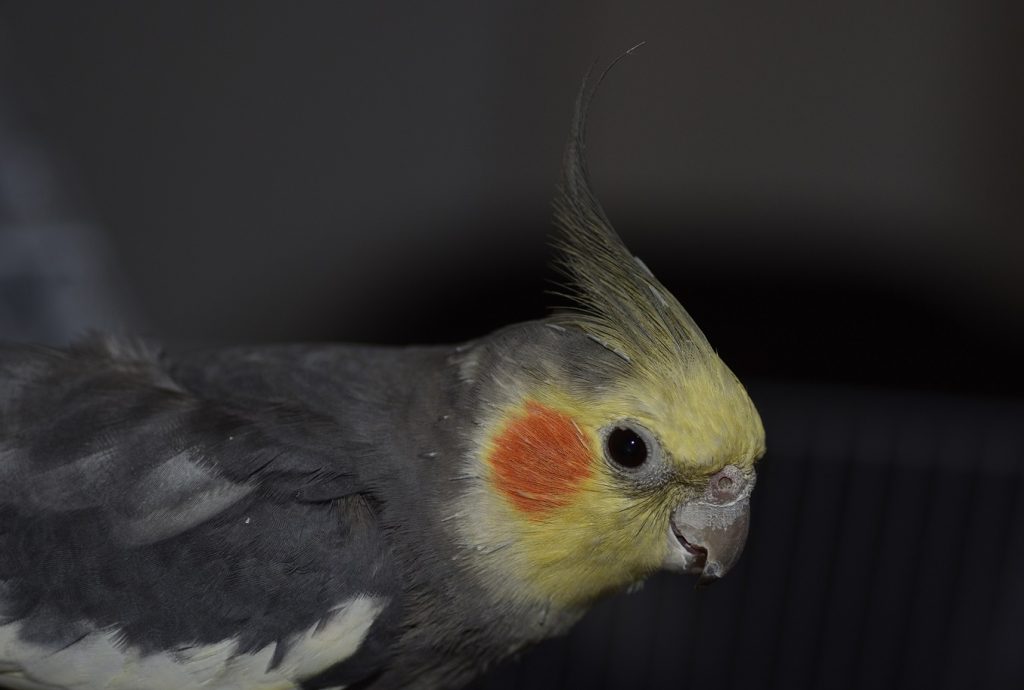
So the coolest thing about birds is that they’re dinosaurs. Seriously, birds are now officially classified as dinosaurs. So, if you have a pet parakeet, you can legitimately tell all your friends that you have a pet dinosaur.
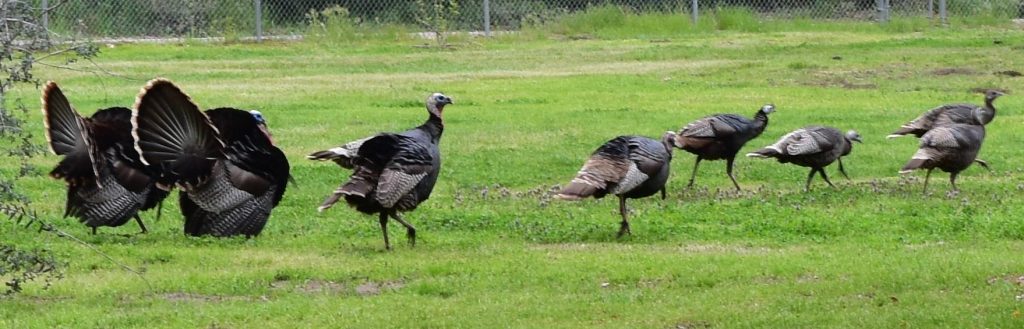
San Diego County
It’s remarkable how much we’ve learned about dinosaurs and feathers since that first groundbreaking discovery, but there are still plenty of unanswered questions. For instance, we’re still not sure why feathers evolved. It’s unlikely that they originally evolved for flight, since simple “protofeathers” would be pretty useless even for gliding. One possibility is that they evolved as insulation — the dinosaurs’ answer to fur. This is a very compelling argument and, certainly, many dinosaurs did use feathers to keep warm, just as modern birds do; however, there is some evidence that feathers may have originally evolved for metabolic reasons.
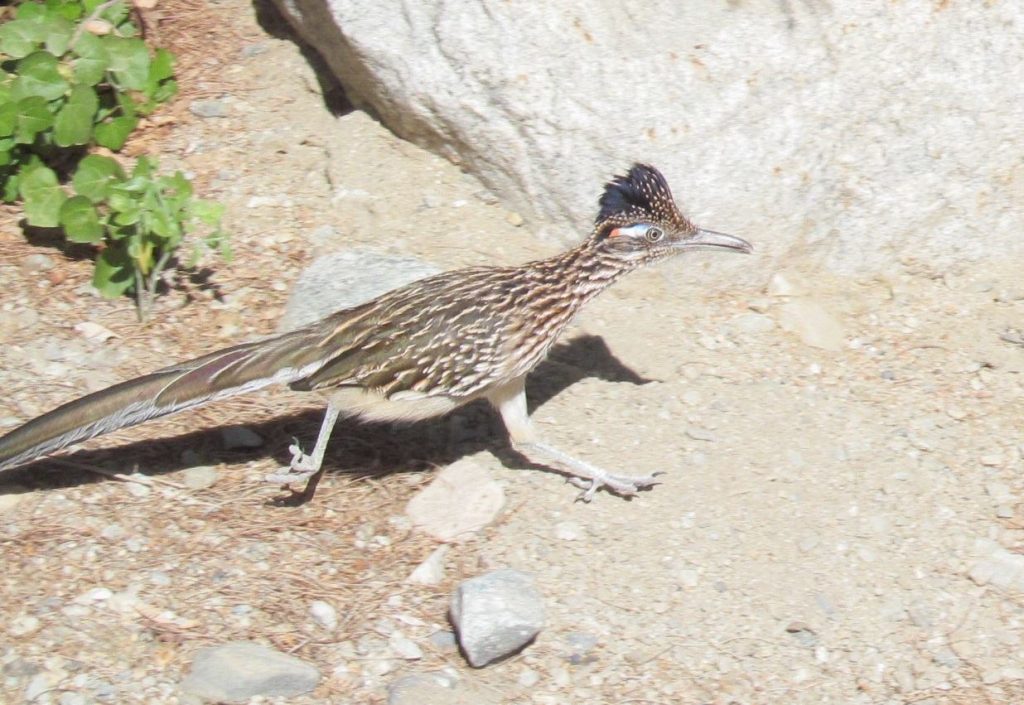
San Diego County
For an organism with a high metabolic rate, the production of excess hydrogen sulfide can be a problem. One way to handle this is to reroute waste chemicals (sulfur amino acids) that would normally get converted into hydrogen sulfide into the production of keratin, which is the main ingredient in feathers. In others words, growing feathers could have evolved as a way to get rid of a toxic waste product. Now, nobody is suggesting that the dinosaurs started out “excreting” full-fledged feathers just to get rid of excess toxins. The idea is that they might have started using the keratin to grow something like primitive down, which later evolved into real feathers.

Lake Kumeyaay, San Diego County 06/05/19
Whatever the original reason for the evolution of feathers, they were eventually co-opted for flight. How this happened is still being debated. One possibility is that feathers helped animals jumping from trees to slow their fall. Another is that the flapping of feathered forelimbs allowed dinosaurs to get more altitude when running and jumping. At present, the evidence seems to favor the running and jumping hypothesis, but it’s not yet conclusive. Either route could have led to the evolution of gliding and, later, flight.
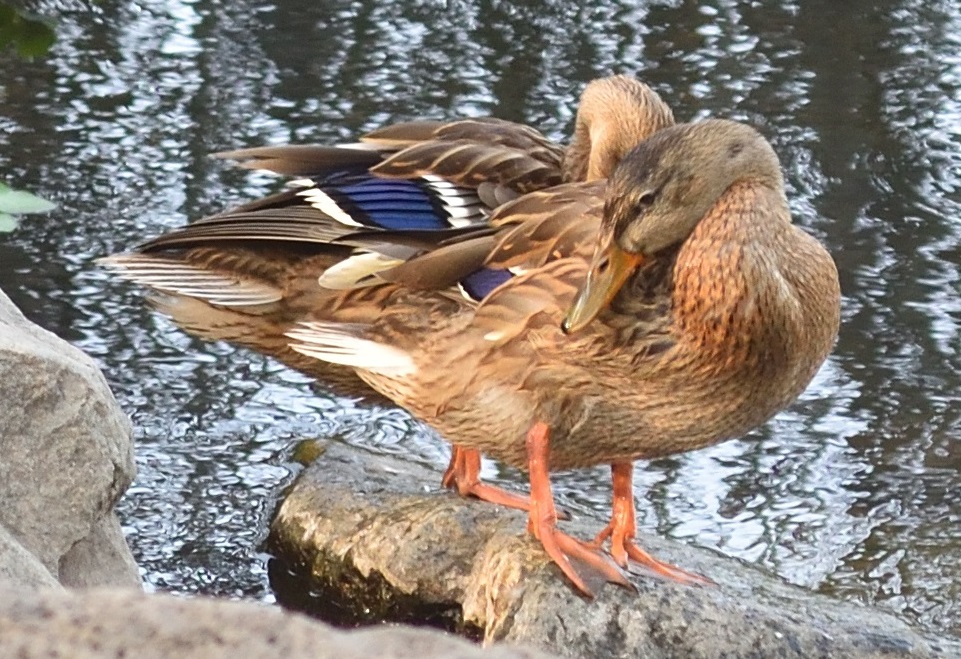
Lake Kumeyaay, San Diego County 06/05/19
The Second Coolest Thing About Birds
When we mammals, breathe out, we are exhaling the same air that we just breathed in. Air is pulled into our lungs by our diaphragms and then pushed back out. Respiration in birds is very different. A bird does not exhale the same breath of air that it just inhaled. It exhales the breath it took before that one.
Here’s how it works. A bird doesn’t have a diaphragm. It breathes in by using muscles to expand it’s chest. It exhales by using other muscles to contract the chest. When a bird breathes in, only a little of the air goes directly to the lungs. Most of it goes to air sacs that are distributed in various parts of its body. Birds have hollow bones. Air sacs extend into the hollow spaces of the humerus (the upper wing bone), the femur (the thigh bone), the vertebrae, the skull, and other bones.
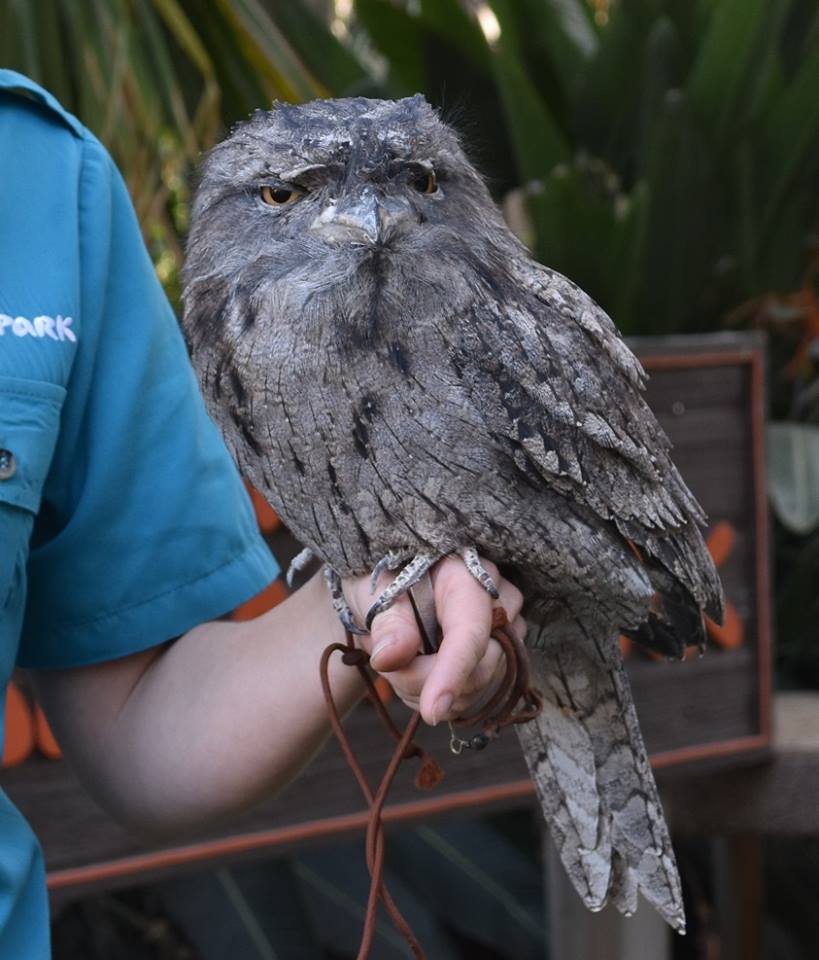
Native to Australia and Tasmania
When a bird inhales, the air first goes to the caudal (rear) air sacs and then into the lungs. The lungs don’t expand and contract like ours do. Air is forced through them by the rise and fall of the chest. The next time the bird inhales, air in the lungs is pushed into the cranial air sacs. When the bird exhales (for the second time), this air is released back out into the environment through the trachea and nostrils.
A bird’s respiratory system is more efficient than ours, because a breath of air remains in the system for two cycles of inhalation and exhalation, allowing more oxygen to be extracted. This increase in efficiency does have some drawbacks. Because the air sacs extend so deeply into the bird’s body, respiratory infections can easily spread into the bones and abdominal cavity. Also, because they don’t have a diaphragm, birds rely entirely on expanding and contracting their chests for breathing. As a result, it’s very easy to suffocate your pet dinosaur if you hold it too firmly.
So, did non-avian dinosaurs have the same kind of respiratory system as modern birds? It’s possible that birds evolved this unique system only later in their evolution, but the bones of theropod dinosaurs did have air spaces very much like modern birds — even T. Rex had them! So it seems likely that, yes, the non-avian dinosaurs were just as weird as their avian descendants.
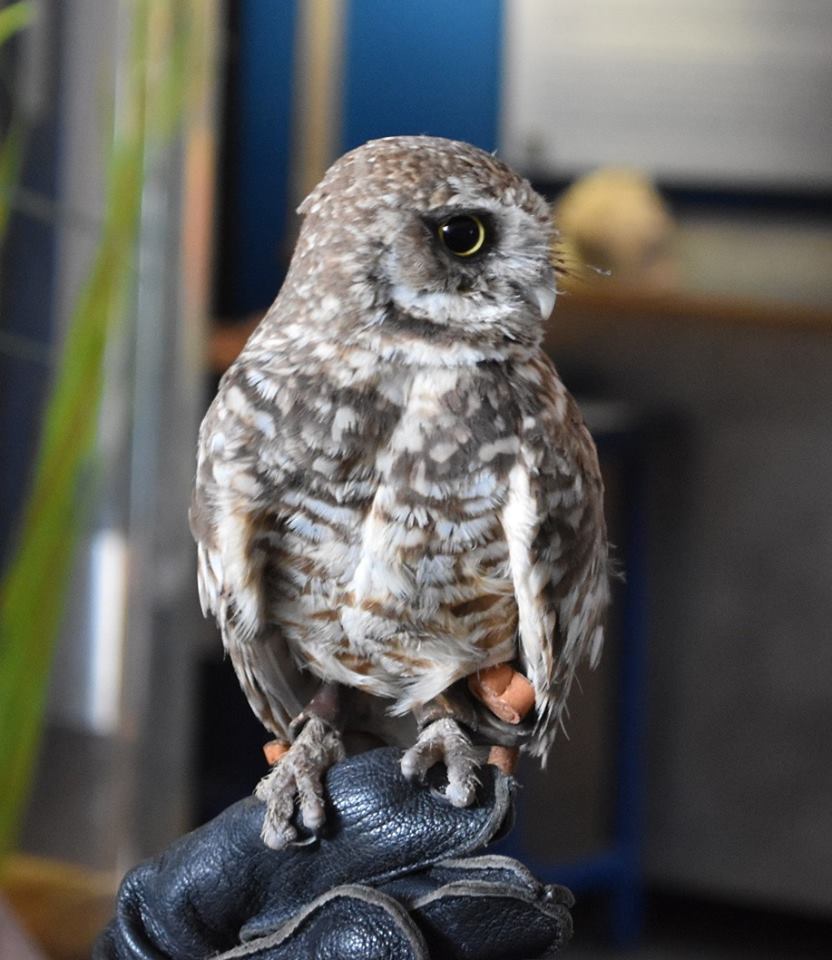
This one was in captivity, but they are found in the wild in southern California.
So Why Didn’t Birds Go Extinct with the Rest of the Dinosaurs?
They almost did. A study reported on by Newsweek in 2018 showed that, in the aftermath of the asteroid strike 1 that wiped out the non-avian dinosaurs, forests all over the world collapsed. It would have taken hundreds of thousands of years for them to recover. This led to the extinction of all tree-dwelling birds. Only a few small, ground-dwelling species survived.
So how did even those few birds manage to survive when plenty of their small, ground-dwelling relatives didn’t? We can’t be sure, but another study done at the Natural History Museum, London and reported on by Science Daily in 2009 suggests that it was because birds had evolved larger brains. This study analysed CT scans of fossil birds and found evidence that birds at the time of the extinction had already evolved brains comparable to modern birds. Being more intelligent would have given them a better chance of adapting to drastically changed conditions.
- There is no longer any doubt that a large asteroid strike was implicated in the extinction of the non-avian dinosaurs, but there is still some debate over whether it was the only cause or even the principal one. There was a huge amount of volcanism going on before and after the extinction event. This could have been a major factor. Some studies have also suggested that the dinosaurs were in decline prior to the asteroid strike; although, this also continues to be debated.